
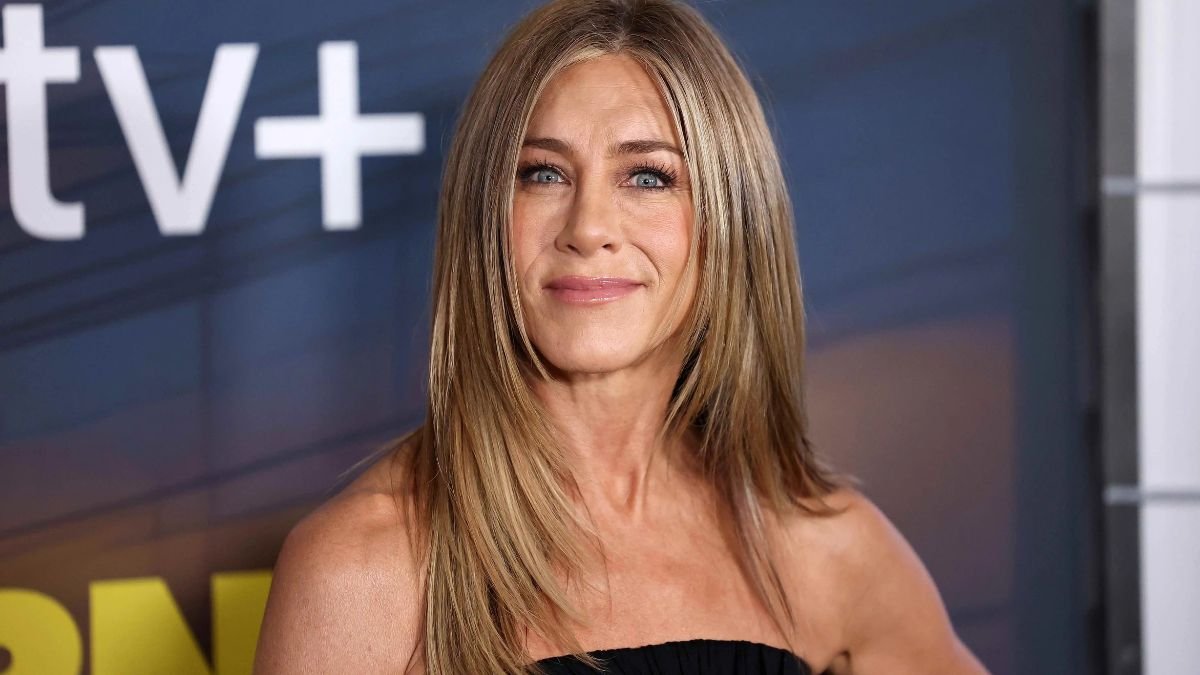
For years, the public narrative surrounding Jennifer Aniston has often been unfairly simplified. Despite her immense success, cultural impact, and enduring popularity, headlines frequently painted her as the archetype of the “sad woman”—a label rooted more in societal expectations than reality. But recent reports of a new romantic chapter in her life have begun to shift that narrative. More importantly, they have sparked a deeper conversation about why middle-aged women are increasingly embracing what some dismiss as “woo-woo” philosophies.
This moment is not just about a celebrity finding happiness again. It reflects a broader cultural transformation, one where women in midlife are redefining what fulfillment, healing, and happiness look like. In this evolving story, Aniston becomes less of a symbol of loneliness and more of a mirror reflecting a growing movement of self-discovery and emotional awakening.
The Weight of Public Perception and the “Sad Woman” Trope
The idea of the “sad single woman” is deeply ingrained in popular culture. It suggests that a woman’s happiness is incomplete without a partner, especially as she moves beyond her 30s and 40s. Jennifer Aniston, despite her iconic roles and successful career, has long been subjected to this narrative.
Her personal life, particularly her marriages and separations, became public spectacles. From her highly publicized relationship with Brad Pitt to her later marriage with Justin Theroux, the media often framed her story through the lens of loss rather than resilience. This persistent framing reinforced a cultural bias that equates a woman’s worth with her relationship status.
However, what is often overlooked is how Aniston herself has consistently challenged these assumptions. Through interviews and public appearances, she has emphasized independence, self-worth, and the importance of personal growth. The “sad” label says more about societal expectations than it does about her reality.
A New Relationship, A New Narrative
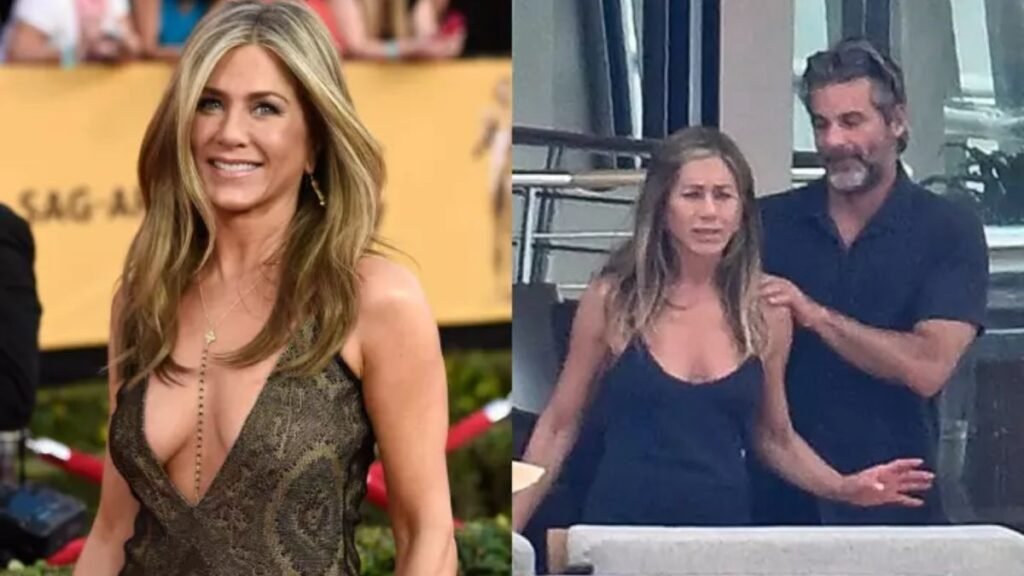
The emergence of a new relationship in Aniston’s life has reignited public interest, but it has also subtly transformed the conversation. Instead of pity, there is curiosity. Instead of speculation about loneliness, there is intrigue about growth and emotional evolution.
This shift matters because it aligns with a broader trend among middle-aged women who are redefining relationships on their own terms. Love is no longer seen as a necessity for validation but as an addition to an already fulfilling life. In this context, Aniston’s new chapter symbolizes not a rescue from sadness, but a continuation of self-discovery.
Her story resonates because it challenges the idea that life’s most meaningful transformations are reserved for youth. Instead, it highlights that midlife can be a period of profound reinvention, where emotional clarity and self-awareness lead the way.
Understanding the Rise of “Woo-Woo” Culture
The term “woo-woo” is often used dismissively to describe practices like astrology, energy healing, manifestation, and mindfulness. Yet, for many women, these practices represent something far deeper. They offer tools for introspection, healing, and connection in a world that often feels overwhelming.
In recent years, there has been a noticeable shift toward holistic wellness. Women, particularly those in midlife, are exploring practices that go beyond traditional frameworks of success and happiness. This includes meditation, journaling, spiritual coaching, and even reconnecting with ancient philosophies.
What makes this movement significant is not the practices themselves, but the intention behind them. It is about reclaiming agency, understanding emotional patterns, and finding meaning beyond external validation. In many ways, “woo-woo” is less about mysticism and more about mindfulness.
Why Middle-Aged Women Are Leading This Movement
Midlife is often portrayed as a period of decline, but for many women, it is a time of awakening. After years of prioritizing careers, families, and societal expectations, there comes a moment of introspection. Questions arise about identity, purpose, and fulfillment.
This is where “woo-woo” practices find their audience. They provide a space for exploration without judgment. They encourage women to listen to their intuition, to heal from past experiences, and to redefine what happiness means.
The appeal lies in their flexibility and inclusivity. Unlike rigid systems, these practices adapt to individual needs. They allow women to create their own paths, rather than conforming to predefined roles.
In this sense, the rise of “woo-woo” culture is not a trend but a response to a deeper need for authenticity. It reflects a shift from external achievement to internal alignment.
The Intersection of Celebrity Influence and Personal Growth
Celebrities have always influenced cultural trends, but in the age of social media, their impact has become more personal and immediate. When someone like Jennifer Aniston embraces a lifestyle centered on wellness and self-care, it resonates with millions.
Aniston has long been associated with fitness, mindfulness, and a balanced approach to life. Her openness about therapy, meditation, and emotional health has contributed to normalizing these conversations. In doing so, she has helped bridge the gap between mainstream culture and practices once considered fringe.
This influence is particularly powerful for middle-aged women who see in her a reflection of their own journeys. It reinforces the idea that growth and transformation are lifelong processes, not limited by age.
Redefining Love, Happiness, and Fulfillment
One of the most significant aspects of this cultural shift is the redefinition of love. For many women, love is no longer about dependency or societal approval. It is about connection, compatibility, and mutual growth.
This perspective changes the way relationships are approached. There is less urgency and more intention. Women are more willing to prioritize their own well-being, even if it means remaining single or walking away from unfulfilling relationships.
In this context, “woo-woo” practices serve as tools for clarity. They help individuals understand their desires, set boundaries, and cultivate self-love. They encourage a mindset where happiness is not contingent on external factors but rooted in internal peace.
The Criticism and Misunderstanding of “Woo-Woo”
Despite its growing popularity, “woo-woo” culture is often met with skepticism. Critics argue that it lacks scientific grounding or dismiss it as escapism. However, this criticism often overlooks the psychological and emotional benefits these practices provide.
At its core, the movement is about self-awareness and emotional intelligence. Whether through meditation, journaling, or spiritual exploration, these practices encourage reflection and growth. They offer a way to navigate life’s complexities with greater resilience and understanding.
The label “woo-woo” itself can be misleading. It reduces a diverse range of practices to a stereotype, ignoring their depth and significance. For many women, these practices are not about belief but about experience and personal transformation.
A Cultural Moment of Transformation
The renewed narrative around Jennifer Aniston is more than a celebrity story. It is a reflection of a larger cultural moment where women are reclaiming their narratives and redefining their identities.
This transformation is not limited to individuals but extends to society as a whole. There is a growing recognition that happiness cannot be standardized. It must be personalized, evolving with each stage of life.
In this context, the rise of “woo-woo” culture represents a shift toward holistic well-being. It emphasizes the importance of mental, emotional, and spiritual health alongside physical and professional success.
Conclusion: Beyond Labels and Toward Authentic Living
The story of Jennifer Aniston and her new relationship serves as a powerful reminder that life is not defined by labels. The “sad woman” narrative is giving way to a more nuanced understanding of happiness and fulfillment.
For middle-aged women, this moment is an opportunity to embrace change, explore new perspectives, and prioritize their own well-being. The growing interest in “woo-woo” practices is not about escapism but about empowerment. It is about finding meaning, healing, and connection in a world that often demands conformity.
Ultimately, this cultural shift is about authenticity. It is about living in alignment with one’s values, embracing imperfections, and recognizing that growth is a continuous journey. In this evolving narrative, women are not just rewriting their stories—they are redefining what it means to live fully and freely at any age.
FAQs
What does “woo-woo” mean in this context?
“Woo-woo” refers to spiritual or holistic practices like meditation, astrology, and energy healing, often used for self-growth and emotional well-being.
Why are middle-aged women drawn to these practices?
They offer tools for self-discovery, healing, and redefining purpose during a transformative life stage.
How does Jennifer Aniston influence this trend?
Her openness about wellness and personal growth inspires many women to explore similar paths toward balance and fulfillment.
Leave a Reply