

The COVID-19 pandemic put the entire world through a difficult period, and as conditions began to normalize, people breathed a sigh of relief. However, the very nature of the virus dictates that it periodically mutates and changes its form. Now, a new variant—SARS-CoV-2 BA.3.2—has emerged, heightening global concern.
This variant has already been detected in 23 countries and was identified through genomic analysis conducted by scientists. Notably, it harbors a significant number of mutations, distinguishing it from previous variants and potentially making it more challenging to manage.
Experts warn that while this variant may not currently be driving widespread infections, ignoring it could prove dangerous given its structural characteristics and behavioral patterns.
Where and How Was This New Variant Detected?
The presence of this new variant is not confined to just one or two specific locations; rather, it has been identified through a variety of distinct sources. In the United States, the variant has been detected in nasal swabs from travelers, clinical samples collected in hospitals, aircraft wastewater, and sewage surveillance programs across various states.
This indicates that the virus is no longer limited to person-to-person transmission but possesses the capacity to spread at the community level as well. Wastewater surveillance—which emerged as a critical tool during the pandemic—continues to play a pivotal role in providing early warning signals regarding the virus.
This enables scientists to track where and how rapidly the virus is spreading, even when the reported number of clinical cases remains low.

Origins and Global Spread: The Story Unfolds
SARS-CoV-2 BA.3.2 was first identified in South Africa in November 2023. The variant was initially recorded via a respiratory sample collected in the region, following which it gradually began to spread to other nations.
The first case in the United States was reported in June 2025, involving a traveler who had arrived in the country after traveling from the Netherlands. This incident illustrates the significant role that international travel can play in the spread of a virus.
Since September 2025, a rapid surge in cases of this variant has been observed, particularly in certain European countries. This pattern suggests that if not brought under control in a timely manner, this variant could spread to even more nations.
Genetic Changes: Why Is This Variant Unique?
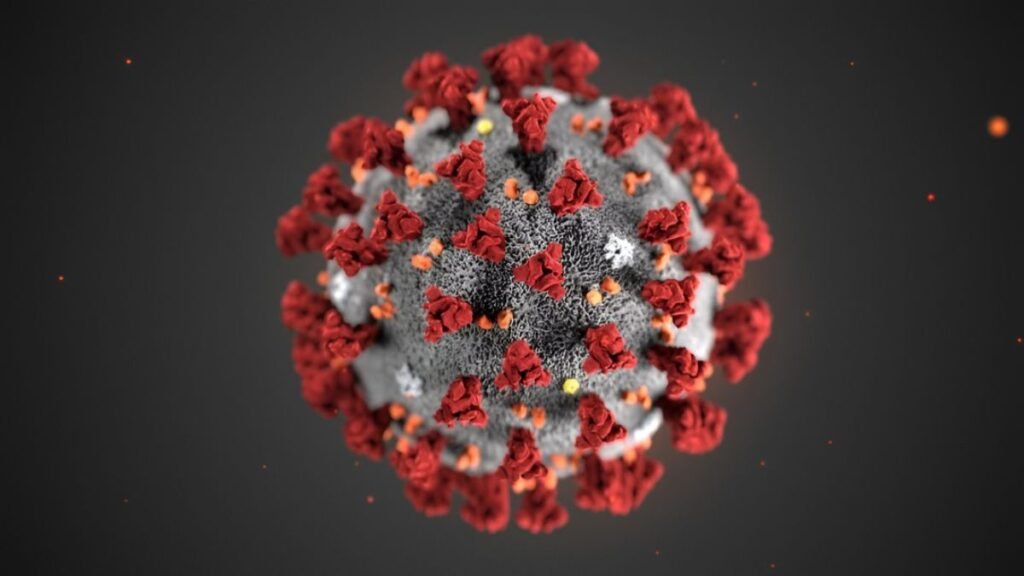
The primary concern regarding this variant lies in its genetic makeup. Approximately 70 to 75 changes (mutations) have been identified within its spike protein.
The spike protein is the component that facilitates the virus’s entry into human cells. When such a large number of mutations occur within it, the virus’s behavior can change—for instance, it may spread more rapidly or evade the immune system.
This variant is considered to be entirely distinct from the earlier JN.1 variant and its sub-variants. This implies that it could potentially impact the protection conferred by existing vaccines and prior infections.
Rising Prevalence in Europe: A Warning Sign
In countries such as Denmark, Germany, and the Netherlands, the prevalence of this variant reached approximately 30% between November 2025 and January 2026.
This figure is highly significant, as it demonstrates that this variant is capable of rapidly displacing other variants. When the prevalence of a new variant rises so swiftly, it signals that it possesses specific characteristics—such as increased transmissibility or superior adaptability.
Although the situation may vary from country to country, this trend observed in Europe is being viewed as a warning sign for the rest of the world.
The Situation in the US: Currently Under Control
The first clinical case of this variant in the United States was recorded in January 2026. By February 2026, it accounted for approximately 0.19% of all reported cases.
While this figure may appear low, experts caution that it may not fully reflect the actual situation. Often, limitations in testing and genomic surveillance prevent the true extent of the spread from being fully revealed. The Centers for Disease Control and Prevention is continuously monitoring this variant and tracking its spread using digital tools.
New subvariants: The continuous evolution of the virus
Scientists have identified two new sub-lineages of this variant—BA.3.2.1 and BA.3.2.2. This serves as a clear indication that the virus is still evolving and may undergo further mutations over time.
It is this constantly changing nature of the virus that makes controlling the pandemic so challenging. Each new variant presents fresh challenges, necessitating continuous research and strategic planning to effectively address them.
Immune Escape: Could the Risk Increase?
The primary concern regarding this variant is that it may possess the capacity for “immune escape.” This implies that it could partially undermine the body’s pre-existing immunity—whether acquired through vaccination or a previous infection.
While it would be premature to draw definitive conclusions at this stage, early indications suggest that this variant could, to some extent, impact vaccine efficacy.
Nevertheless, experts emphasize that vaccines continue to play a crucial role in protecting against severe illness and hospitalization.

The Growing Need for Surveillance and Research
Scientists believe that keeping a close watch on such variants is absolutely essential. Many countries still possess limited genomic surveillance capabilities, making it difficult to accurately assess the true extent of the virus’s spread.
Consequently, it is imperative to foster global cooperation, data sharing, and research initiatives. Such efforts not only facilitate the early detection of new variants but also aid in understanding their potential impact.
What Is Essential for the General Public?
Even if the current situation appears to be under control, exercising caution remains vital. Wearing masks, maintaining hand hygiene, and remaining vigilant in crowded spaces are still critical measures.
Furthermore, staying up-to-date with vaccinations and booster shots is essential to ensure that the body’s immunity remains robust.
Conclusion: Vigilance is the key to safety.
The emergence of the SARS-CoV-2 BA.3.2 variant indicates that COVID-19 has not yet been completely eradicated. This virus is constantly evolving and presenting new challenges.
While there is no need to panic, it is absolutely essential to remain aware and vigilant. By relying on accurate information, exercising timely caution, and adhering to scientific guidance, we can effectively confront this new threat.
Ultimately, the greatest lesson learned from the pandemic is this: caution and preparedness constitute our greatest strength.
FAQs
Q. What is the new COVID variant BA.3.2?
A. It is a highly mutated SARS-CoV-2 variant with potential immune escape features.
Q. How many countries have detected this variant?
A. It has been reported in at least 23 countries.
Q. When was BA.3.2 first identified?
A. It was first detected in South Africa in November 2024.
Q. Can this variant reduce vaccine protection?
A. It may partially reduce immunity, but vaccines still help prevent severe illness.
Q. Why is monitoring this variant important?
A. Tracking helps understand its spread and impact on public health.
Leave a Reply