
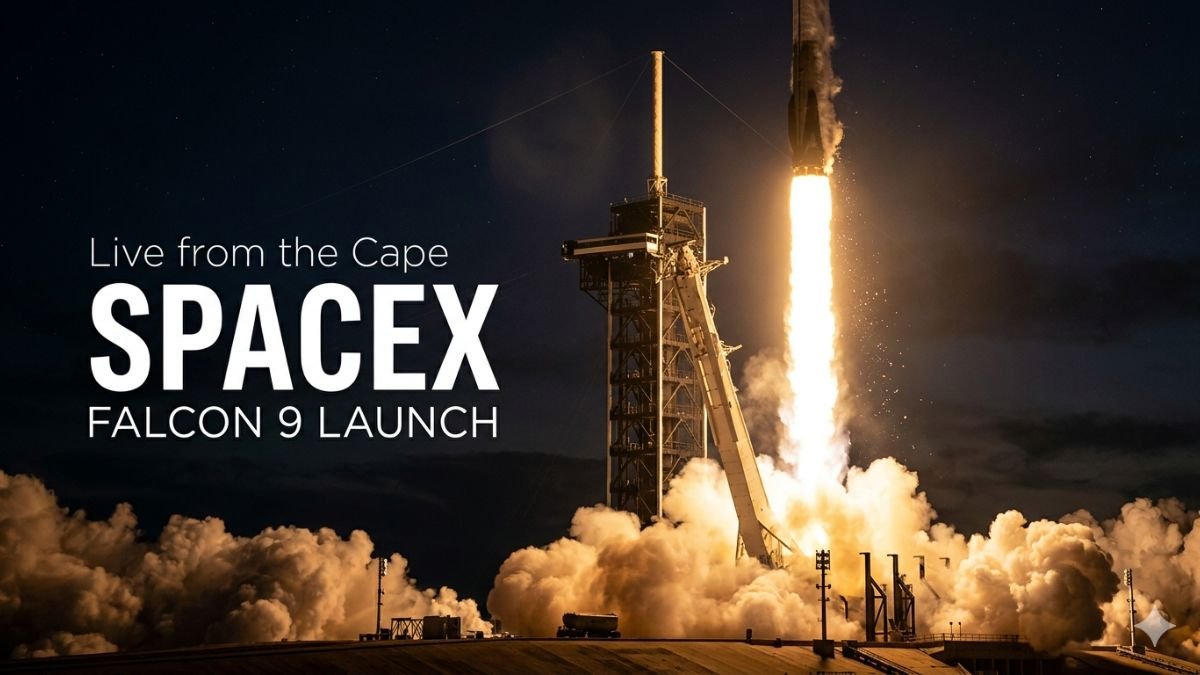
SpaceX, a company rapidly advancing in the world of space technology, is once again poised to make history. Following a cool and slightly misty morning in Florida, the company is now preparing to launch its next rocket—a mission that is not only technologically significant but also set to impact the lives of ordinary people.
In today’s era, the internet has evolved from a mere convenience into a necessity; against this backdrop, SpaceX’s Starlink project aims to extend connectivity to those parts of the world where internet access has historically been difficult to establish. This is precisely why every new launch brings with it a renewed sense of hope and excitement.
Launch Time and Location: When and Where Will the Liftoff Occur?
The launch for this mission is scheduled for March 19 at 6:35 AM (local time). The liftoff will take place from Launch Complex 40 at the Cape Canaveral Space Force Station, one of the most active and critical space launch sites in the United States.
However, weather conditions and technical factors play a pivotal role in space missions. Consequently, SpaceX has established a launch window extending until 10:35 AM. This means that if a launch is not feasible at the initial scheduled time, the rocket can be launched at any point within this designated window.
This flexibility is absolutely essential to ensure the success of the mission, as even the slightest anomaly in space operations can lead to significant consequences.

What is the Starlink 10-33 mission, and why is it special?
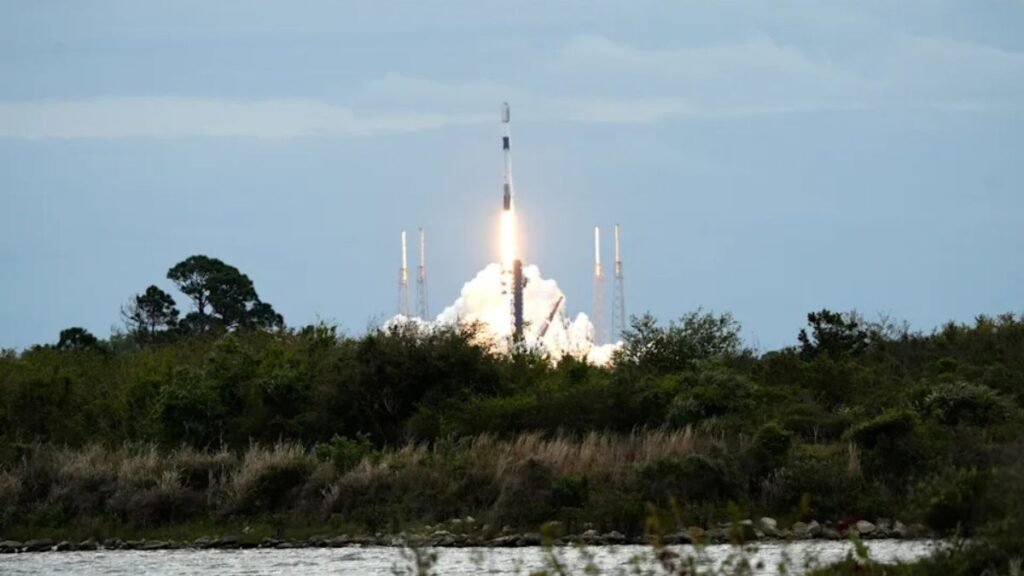
This mission has been designated “Starlink 10-33,” under which a total of 29 satellites will be deployed into space. All of these satellites will become integral components of the Starlink network.
The objective of Starlink is to construct a vast satellite constellation orbiting the Earth, capable of delivering high-speed internet connectivity to every corner of the globe—particularly in regions where traditional internet services are either prohibitively expensive or simply unavailable.
Through this project, residents of rural areas, mountainous terrains, and maritime regions will also gain access to enhanced internet services. It has the potential to bring about a major transformation in the fields of education, healthcare, commerce, and communication.
Falcon 9 Rocket: A Pinnacle of Technology
The Falcon 9 rocket will be utilized in this mission; it is one of SpaceX’s most reliable and reusable rocket technologies.
The most significant feature of the Falcon 9 is that its first stage (booster) returns safely to Earth after launch. This results in a drastic reduction in costs, making space missions far more economical.
This rocket is not only powerful but also remarkably precise, playing a pivotal role in delivering satellites to their designated orbits.
Flight Path and Viewing Experience
The rocket will launch in a northeasterly direction. This means that those residing north of Cape Canaveral may have the opportunity to witness this spectacular launch.
A rocket launch is an even more captivating spectacle during the early morning hours. As the rocket ascends, its illumination creates a mesmerizing interplay of colors across the sky, making for an unforgettable experience for onlookers.
People often regard this as a “space show,” given that such a sight is both exceptionally rare and thrilling.
Why Won’t a Sonic Boom Be Heard?
Typically, following a rocket launch, a loud noise—known as a sonic boom—is heard when the booster returns. However, that will not be the case this time.
For this mission, the booster will land on a drone ship stationed at sea, named “A Shortfall of Gravitas.” This is an automated platform positioned within the Atlantic Ocean.
Since the booster lands at sea rather than on land, no loud noise is audible in the surrounding areas. This technology is considered not only safe but also environmentally superior.
The Growing Impact of the Starlink Network
The Starlink project is already providing its services across numerous parts of the world. As new satellites are launched, both the capacity and coverage of the network continue to expand. The direct beneficiaries of this are those who have, until now, struggled with slow or unstable internet connections. High-speed internet facilitates services such as online education, digital payments, telemedicine, and remote work.
In the future, this technology will play a pivotal role in making the digital world more accessible and equitable.

SpaceX’s Role in the Space Industry
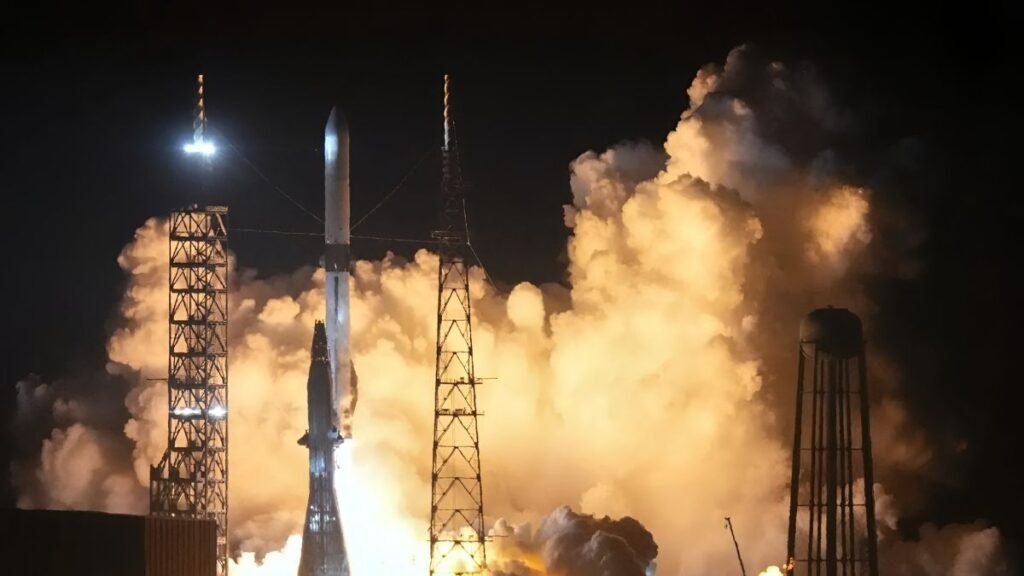
Over the past few years, SpaceX has completely revolutionized the space industry. While space missions were previously prohibitively expensive and limited in scope, the advent of reusable rockets has significantly reduced costs and led to an increase in the frequency of missions.
SpaceX’s ambition extends beyond merely launching satellites; its ultimate goal is to transport humans to other planets in the future. Projects like Starlink constitute an integral part of this grand vision.
Conclusion: Another Step Toward a Digital Future
The Starlink 10-33 mission represents more than just a technical achievement; it marks a significant stride toward a future where every individual has equal access to internet connectivity.
This launch holds significance not only for scientists and engineers but is also poised to enhance the quality of life for ordinary people.
If everything proceeds according to plan, this mission will once again demonstrate how space technology is transforming our daily lives and bringing the world closer together.
FAQs
What is the Starlink 10-33 mission?
It is a SpaceX launch carrying 29 Starlink internet satellites into orbit.
When is the launch scheduled?
The launch is set for March 19, 2026, at 6:35 a.m. (local time).
Which rocket is being used?
SpaceX is using its Falcon 9 rocket for this mission.
Will people hear a sonic boom?
No, there will be no sonic boom as the booster lands in the ocean.
What is the purpose of Starlink satellites?
They provide high-speed internet access across the world, especially in remote areas.
Leave a Reply