
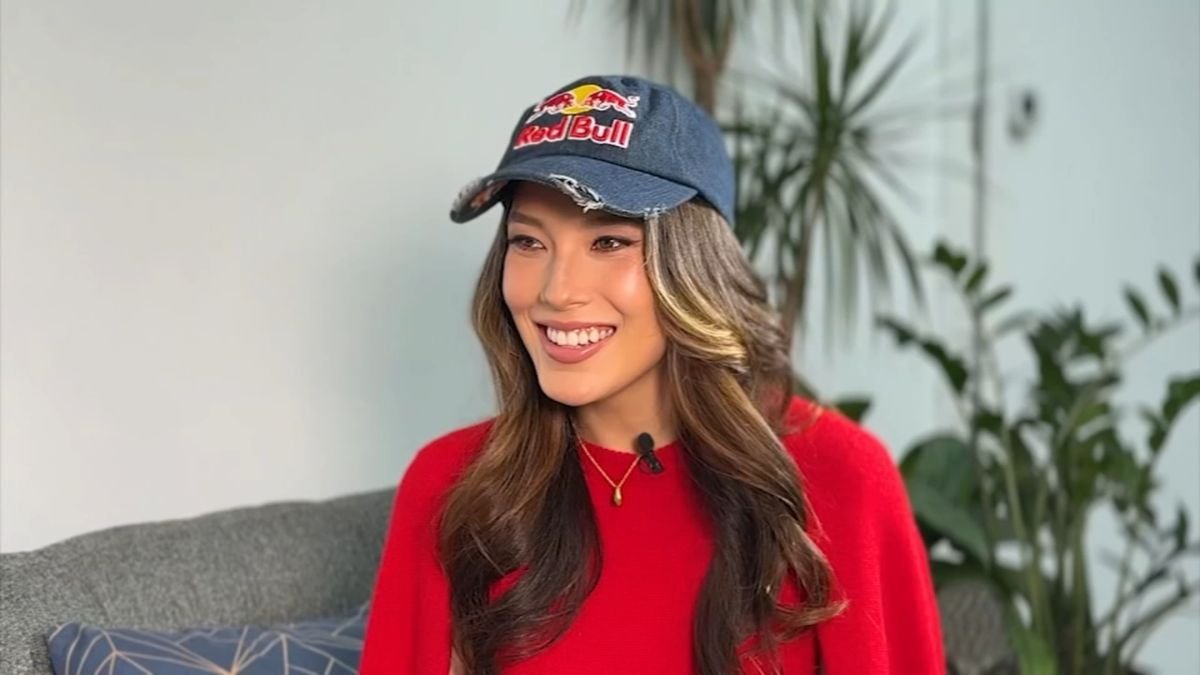
Whenever sports and culture intertwine, the moment reveals not merely a celebration, but also a confluence of emotions, a quest for identity, and multifaceted reactions. One such moment unfolded recently in San Francisco’s Chinatown, where Olympic freestyle skiing champion Eileen Gu was invited to serve as the Grand Marshal of the annual Chinese New Year Parade and was welcomed with immense enthusiasm. Thousands gathered for the festivities—many filled with pride over the athlete’s remarkable achievements—yet, on the other hand, some harbored reservations regarding her national representation, a subject that added a layer of depth to the public discourse.
The Parade and Chinatown’s Cultural Atmosphere
San Francisco’s Chinese New Year Parade stands as one of the largest Lunar New Year celebrations held outside of Asia, with roots tracing back to the 1860s, when Chinese immigrants first established the event to share their culture and traditions. This year, the parade was celebrated under the theme of the “Year of the Fire Horse,” and the streets of Chinatown were adorned with colorful floats, traditional drums, lion dances, and festive decorations.

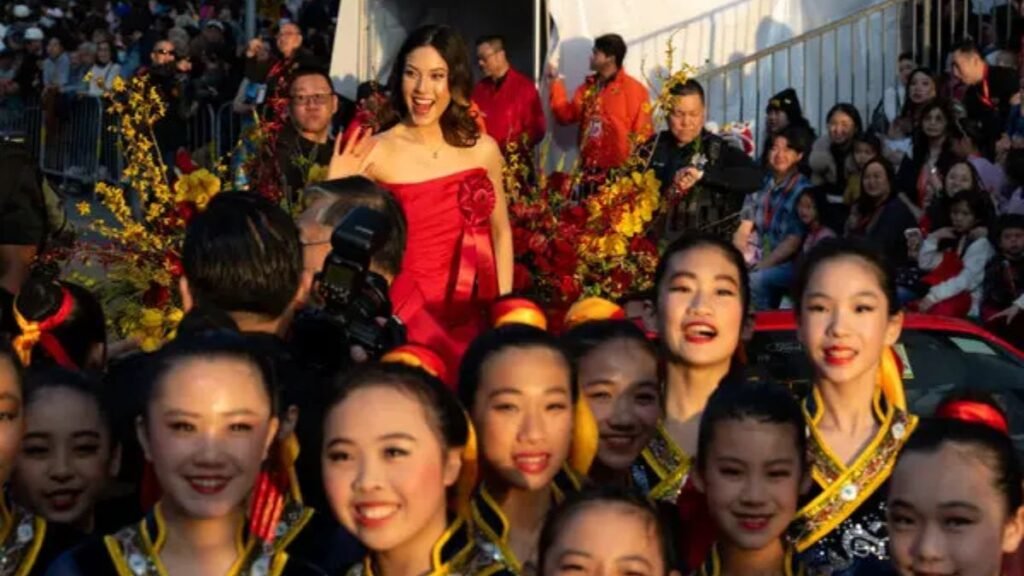
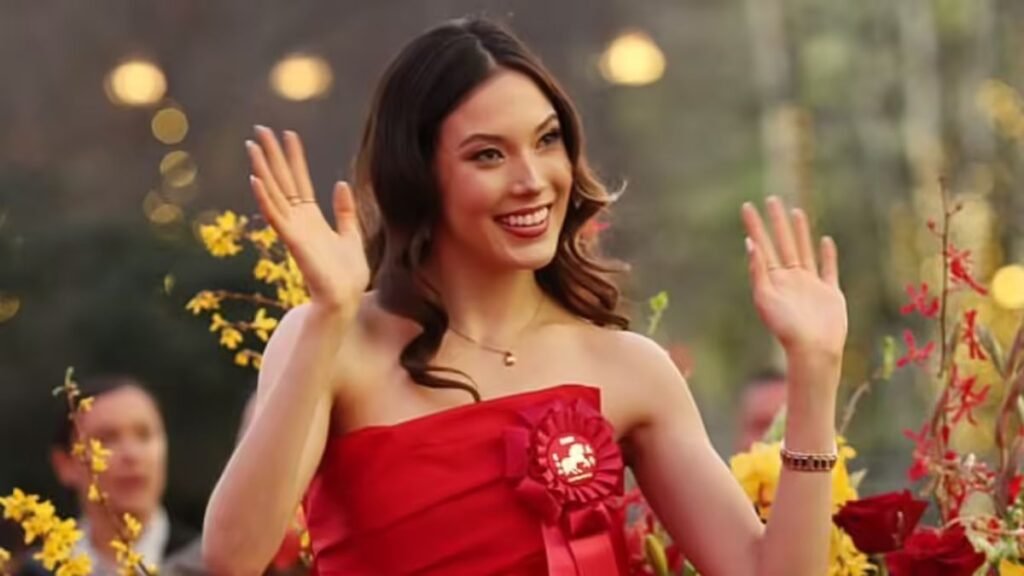
Eileen Gu, resplendent in a red dress, rode atop a flower-bedecked red convertible, waving enthusiastically and greeting the crowds with infectious energy. Her presence filled the streets of Chinatown with waves of jubilation, as onlookers continuously cheered and welcomed her along the route.
Eileen Gu’s Achievements and Identity
At just 22 years of age, Eileen Gu has already cemented her place as an immortal figure in sports history. She distinguished herself as the most decorated freestyle skier at the 2025 Milan-Cortina Winter Olympics, where she captured one gold and two silver medals. Furthermore, when combined with her success at the 2022 Beijing Olympics, she is now counted among the most successful freestyle skiers in the history of the sport.
Gu was born in San Francisco, where she also received her early education. Today, she has become not merely an athlete but an icon of culture and identity—a symbol of an individual raised in America who nonetheless competes for her mother’s homeland, China.
Waves of Welcome and Support
As Gu stepped onto the streets of Chinatown during the parade, the crowd greeted her with thunderous applause and cheers. People lauded her achievements, her success, and her multifaceted identity—with some remarking that she serves as a living embodiment of the city’s diversity and culture, honoring both American and Chinese histories.
Some fans noted that Gu represents a symbol demonstrating that an individual can maintain both loyalty and respect for their country of origin, regardless of which national flag they choose to compete under. Such sentiments infused Chinatown’s festivities with an even greater sense of positivity and enthusiasm.
Dissent and Voices of Criticism
While Chinatown and its ardent supporters embraced Gu with unbridled enthusiasm and warmth, skeptical and critical voices were also emerging among some quarters. On social media platforms, some users criticized Gu for renouncing her American nationality to compete for China—a decision that some viewed as a “test of patriotism.” These differing opinions broadened the scope of the conversation beyond mere athletic achievements, sparking a wider debate regarding national identity, loyalty, and culture.
Some reactions went so far as to label Gu a “traitor,” while others deemed such rhetoric excessive and unfair. This raised a fundamental question: Should an athlete’s choice of national representation take precedence over their achievements, or should they be understood through the lens of their roots, identity, and cultural contributions?
Local Reactions and Chinatown’s Perspective
The residents of Chinatown and the spectators at the festivities largely stood in support of Gu. Many remarked that she serves as a symbol of cultural fusion—one that beautifully embodies the heritage of both nations. For locals, Gu’s welcome in Chinatown signifies that an individual can embrace their multifaceted identity with an open heart and that the community’s reception serves as a tribute to her achievements and hard work.
The purpose of the traditional Chinese New Year parade extends beyond mere celebration—it also serves as an opportunity to disseminate a message of cultural history, diversity, and community unity. Gu’s presence further underscored the message that San Francisco honors its diverse culture and the multifaceted identities of its people.
What is the overarching message?
This celebration clearly demonstrated just how complex and multifaceted identity and culture can be in the modern world. Eileen Gu’s welcome in Chinatown was not limited merely to honoring an athlete; it also served as a symbol of nostalgia for one’s ancestral homeland, a celebration of cultural identity, and an embodiment of the unique spirit of the community.
While some voices of criticism were raised, the overwhelming enthusiasm, support, and positive energy effectively drowned out those dissenting views, transforming the occasion into a far more resounding and collective affirmation. This celebration exemplifies how San Francisco’s Chinatown brings together the vibrancy of crowds, colorful traditional festivities, distinct cultural sounds, and a diverse community into one cohesive tableau.
Conclusion
The welcome and honor bestowed upon Eileen Gu by San Francisco’s Chinatown was an inspiring yet thought-provoking moment—one where traditional festivities brought together the complexities of sports, culture, and national identity under a single roof. It was a moment that not only celebrated Gu’s achievements but also compelled reflection on the multifaceted nature of identity within society—a defining characteristic of the contemporary global era.
FAQs
Q1. Who is Eileen Gu?
A. Eileen Gu is an Olympic freestyle skier and a prominent athlete celebrated for her achievements.
Q2. Why was Eileen Gu honored in San Francisco’s Chinatown?
A. She was honored as the Grand Marshal in the Chinese New Year Parade for her accomplishments.
Q3. Were there mixed reactions to her honor?
A. Yes, while many celebrated her, some expressed conflicted feelings about her national representation.
Leave a Reply