

The world of music and cultural activism recently lost one of its most distinctive voices with the passing of Country Joe McDonald, the legendary ’60s rock star and outspoken protest singer who died at the age of 84. For decades, McDonald stood as a powerful symbol of the rebellious spirit that defined the 1960s counterculture movement. His music, words, and fearless activism resonated deeply with a generation that was questioning authority, challenging social norms, and demanding change.
While many musicians of the era became famous for their musical innovation, McDonald distinguished himself through his bold political commentary and unwavering commitment to activism. His songs did more than entertain—they inspired people to think critically about war, injustice, and social responsibility. News of his passing has sparked tributes from fans, fellow musicians, historians, and cultural commentators who remember him as not only a talented performer but also a courageous voice of dissent.
Early Life and Musical Beginnings
Country Joe McDonald was born during a time when America was on the brink of dramatic cultural and political transformation. Growing up in the post-war United States, he was exposed to the sounds of folk, blues, and early rock and roll, all of which shaped his musical identity. From an early age, McDonald demonstrated a strong interest in storytelling through music, often blending humor, satire, and social commentary.
Before becoming widely known, McDonald spent years developing his craft, performing in small venues and local gatherings. These early experiences allowed him to experiment with different musical styles and lyrical approaches. Influenced by folk traditions and the protest music movement of the early 1960s, he began writing songs that addressed political and social issues.
His passion for activism and music eventually merged, leading him to create songs that spoke directly to the concerns of young Americans who were questioning government policies and social inequalities.
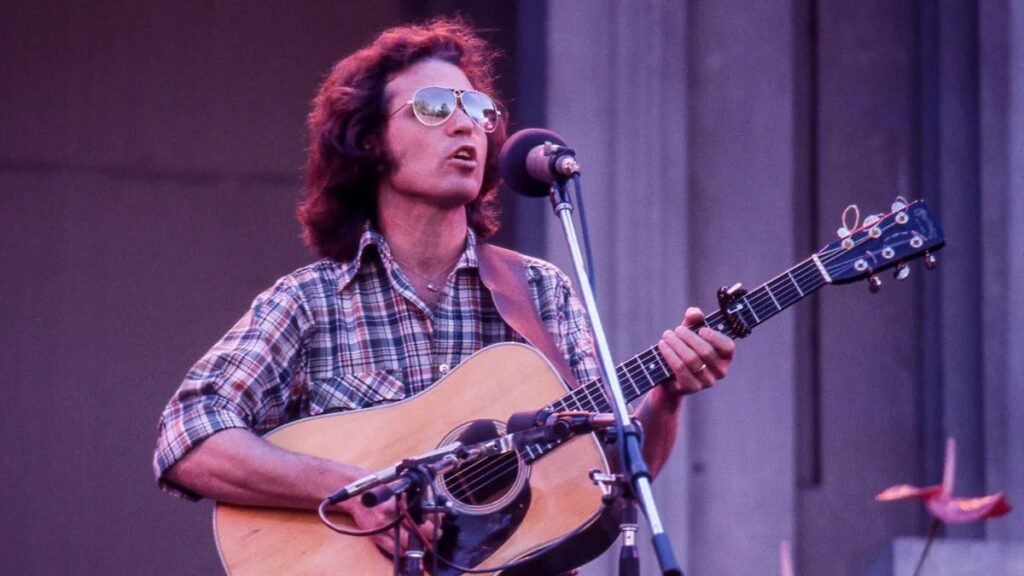
Rise to Fame in the 1960s
The 1960s were a time of profound upheaval in American society. The civil rights movement, the growing opposition to the Vietnam War, and the emergence of youth-driven counterculture all shaped the political and cultural climate of the decade. It was during this transformative period that Country Joe McDonald rose to prominence.
As the lead singer of the psychedelic folk-rock band Country Joe and the Fish, McDonald helped create a distinctive musical sound that blended folk storytelling with experimental rock influences. The band quickly gained popularity within the counterculture movement, particularly among young people who were seeking music that reflected their frustrations and aspirations.
Their songs often carried powerful political messages, challenging authority and encouraging listeners to question mainstream narratives. Unlike many artists who avoided controversy, McDonald embraced it, using his platform to speak openly about war, social injustice, and political hypocrisy.
A Voice Against the Vietnam War
One of the defining aspects of Country Joe McDonald’s career was his outspoken opposition to the Vietnam War. During a time when many public figures were hesitant to criticize government policy, McDonald used his music to deliver sharp, unapologetic critiques of the war and its consequences.
His protest songs quickly became anthems for the anti-war movement, resonating with students, activists, and young Americans who were deeply troubled by the ongoing conflict. Through his lyrics, McDonald expressed anger, frustration, and sorrow about the human cost of war.
What made his music particularly powerful was its ability to combine satire with serious commentary. His performances often included moments of humor and irony, making the messages even more impactful. By using music as a tool for protest, McDonald helped bring political conversations into the cultural mainstream.
The Historic Woodstock Moment
One of the most iconic moments in McDonald’s career occurred during the legendary Woodstock Music and Art Fair in 1969. The festival became a defining event of the counterculture movement, attracting hundreds of thousands of people who gathered to celebrate music, peace, and social change.
During his performance, Country Joe McDonald delivered a memorable and emotionally charged anti-war song that captured the spirit of the era. The performance quickly became one of the most talked-about moments of the festival and remains a powerful symbol of the anti-war movement.
For many attendees and viewers, McDonald’s performance represented the raw honesty and rebellious energy that defined the Woodstock generation. It was not just a musical performance—it was a political statement that echoed far beyond the festival grounds.
Life Beyond the 1960s
Although the 1960s were the height of his fame, Country Joe McDonald continued to make music and perform for decades afterward. Unlike many artists who faded from public attention, he remained deeply connected to his fans and his beliefs.
Over the years, McDonald explored a variety of musical styles, including folk, blues, and acoustic storytelling. His later work often reflected on history, personal experiences, and the lessons learned from decades of activism.
Even as the cultural landscape changed, McDonald stayed true to the ideals that first inspired him. He continued speaking about peace, social responsibility, and the importance of civic engagement.
Influence on Music and Activism
The impact of Country Joe McDonald on music and activism cannot be overstated. His work helped establish protest music as a powerful form of artistic expression. By combining political commentary with memorable melodies, he demonstrated that music could be both entertaining and socially meaningful.
Many artists who followed in his footsteps have cited the protest music movement of the 1960s as a major influence on their work. McDonald’s fearless approach to songwriting opened the door for future generations of musicians to address political and social issues through their art.
Beyond music, his influence extended to activism and public discourse. He encouraged people to question authority, speak out against injustice, and remain engaged in the democratic process.
Tributes from the Music Community
Following news of his death, tributes poured in from across the music industry and cultural community. Musicians, historians, and fans shared memories of Country Joe McDonald’s performances, activism, and enduring influence.
Many praised his courage for speaking out during a time when doing so carried significant personal and professional risks. Others highlighted his ability to connect with audiences through honest, heartfelt storytelling.
For countless fans, McDonald’s music was more than just entertainment—it was a source of inspiration during a turbulent period in history.
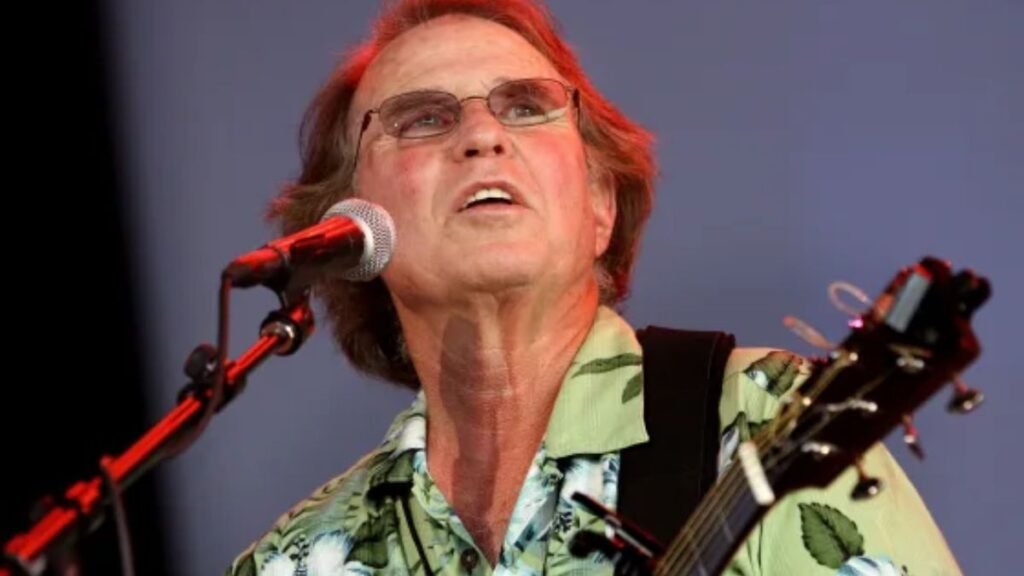
Remembering a Cultural Pioneer
As people reflect on the life of Country Joe McDonald, it becomes clear that his legacy extends far beyond his songs. He represented a generation that believed in the power of music to challenge injustice and inspire change.
The counterculture movement of the 1960s produced many influential figures, but McDonald stood out for his willingness to combine artistry with activism. His voice, both literally and figuratively, became a rallying cry for those who believed that music could help shape a better world.
A Legacy That Lives On
Although Country Joe McDonald has passed away at the age of 84, his influence continues to resonate. His songs remain part of the historical soundtrack of the 1960s, reminding listeners of a time when music and protest were deeply intertwined.
New generations continue to discover his work, learning about the cultural and political struggles that shaped his music. In many ways, the issues he addressed—war, social justice, and the responsibility of citizens—remain just as relevant today.
The legacy he leaves behind is one of courage, creativity, and commitment to speaking the truth through art. As the world remembers this iconic ’60s rock star and counterculture voice, it is clear that his music and message will continue to inspire for years to come.
FAQs
1. Who was Country Joe McDonald?
He was a famous 1960s rock musician and protest singer known for his anti-war songs and role in the counterculture movement.
2. What band made Country Joe McDonald popular?
He gained fame as the lead singer of Country Joe and the Fish.
3. At what age did Country Joe McDonald pass away?
He died at the age of 84.
Leave a Reply