
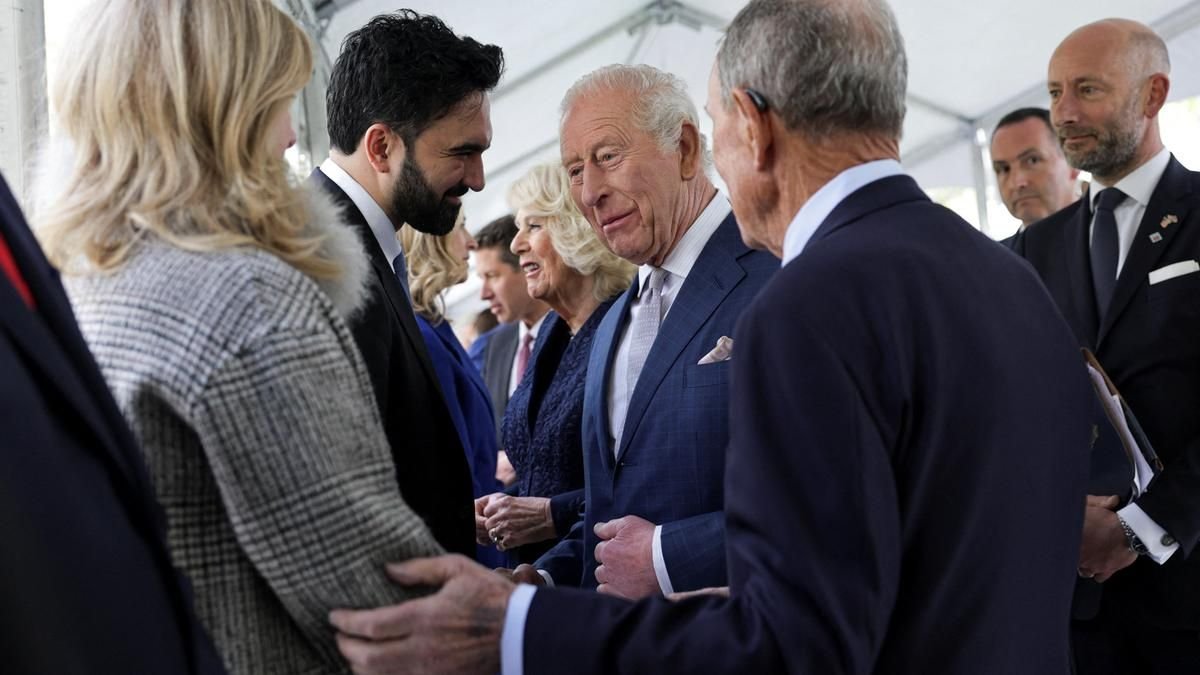
The centuries-old debate surrounding the Koh-i-Noor diamond has once again entered the global spotlight after New York City Mayor Zohran Mamdani publicly called on King Charles III to return the iconic gem to India. The statement has sparked intense conversations across political, cultural, and historical circles, reigniting emotions connected to colonial history and the ownership of priceless artifacts taken during the British Empire.
For many Indians, the Koh-i-Noor is not just a diamond. It represents history, identity, pride, and the painful memories of colonial exploitation. Mamdani’s comments have added fresh momentum to long-standing demands for the diamond’s return, especially at a time when former colonies around the world are increasingly seeking the repatriation of cultural treasures.
The Long Journey of the Koh-i-Noor
The Koh-i-Noor, whose name translates to “Mountain of Light,” is considered one of the world’s most famous diamonds. Believed to have originated in India centuries ago, the gem passed through the hands of various rulers and empires before eventually coming under British possession during the colonial era.
The diamond was formally handed over to the British monarchy in the 19th century after the annexation of Punjab by the British East India Company. Since then, it has remained part of the British Crown Jewels and is currently housed in the Tower of London.
However, the circumstances under which the diamond was acquired have long been questioned. Critics argue that the transfer was not voluntary and instead symbolized the unequal power dynamics of colonial rule. This has fueled repeated demands from India and other nations claiming historical connections to the gem.
Mayor Mamdani’s Strong Statement
Mayor Mamdani’s call for the return of the Koh-i-Noor has resonated strongly with many people, especially within South Asian communities. According to his remarks, returning the diamond would represent an important gesture of historical acknowledgment and justice.
He emphasized that colonial-era artifacts should not remain symbols of imperial dominance in modern times. Instead, he argued that such treasures belong to the cultures and countries from which they originated. His statement quickly gained traction online, with supporters praising him for addressing an issue tied deeply to historical accountability.
At the same time, critics questioned whether political leaders outside the United Kingdom should involve themselves in matters connected to the British monarchy. Despite differing opinions, Mamdani’s comments succeeded in bringing the discussion back into mainstream international attention.
Why the Koh-i-Noor Matters So Much
The emotional significance of the Koh-i-Noor goes far beyond its financial value. For millions of Indians, the diamond is viewed as a symbol of wealth and heritage taken during colonial rule. The debate over its ownership reflects larger global discussions about justice, restitution, and the legacy of empire.
In recent years, museums and governments around the world have faced increasing pressure to return artifacts acquired during colonial periods. Several institutions in Europe have already begun returning sculptures, artworks, and cultural objects to African and Asian nations.
Supporters of repatriation believe that returning the Koh-i-Noor would send a powerful message about reconciliation and respect for historical truth. They argue that acknowledging past injustices is an essential step toward building fairer international cultural relationships.
Britain’s Position on the Diamond
The British monarchy and government have historically maintained that the Koh-i-Noor is legally part of the Crown Jewels. British officials have generally avoided engaging deeply with demands for its return, partly because agreeing to one request could encourage similar claims regarding other historical artifacts.
There is also concern within Britain that the issue could become diplomatically complicated, as multiple countries including India, Pakistan, Afghanistan, and Iran have all expressed historical claims over the diamond at different times.
Despite these complexities, public discussions surrounding colonial-era artifacts continue to grow louder. Younger generations, especially on social media, are increasingly questioning whether items obtained during imperial expansion should remain in Western institutions.
Global Reactions and Public Sentiment
Mayor Mamdani’s remarks have sparked widespread reactions online. Many people applauded him for speaking openly about colonial history and supporting the return of cultural treasures. Others argued that the issue is symbolic but important, as it represents broader conversations about historical fairness.
Social media users from India especially expressed strong emotional support, with many calling the Koh-i-Noor a lost piece of national heritage. Some historians and activists also pointed out that debates like these are no longer limited to politics but are becoming part of larger cultural movements worldwide.
Meanwhile, critics argued that returning historical objects centuries later may not solve modern-day problems. Still, supporters insist that symbolic gestures can carry deep emotional and historical meaning for nations affected by colonialism.
Conclusion
The renewed debate over the Koh-i-Noor diamond highlights how history continues to influence present-day global conversations. Mayor Mamdani’s call for King Charles III to return the famous jewel to India has once again brought attention to questions of colonial legacy, cultural ownership, and historical justice.
Whether or not the diamond is ever returned, the discussion itself reflects changing attitudes around the world. More nations and communities are now demanding recognition of their cultural heritage and seeking accountability for the past. The Koh-i-Noor remains far more than a dazzling gemstone — it has become a powerful symbol of history, identity, and the ongoing search for justice.
FAQs
1. What is the Koh-i-Noor diamond?
The Koh-i-Noor is one of the world’s most famous diamonds, currently part of the British Crown Jewels.
2. Why is the Koh-i-Noor diamond controversial?
Many Indians believe the diamond was taken during British colonial rule and should be returned to India.
3. Who is NYC Mayor Mamdani?
Mayor Mamdani is a political figure who recently called on King Charles to return the Koh-i-Noor diamond to India.
Leave a Reply