
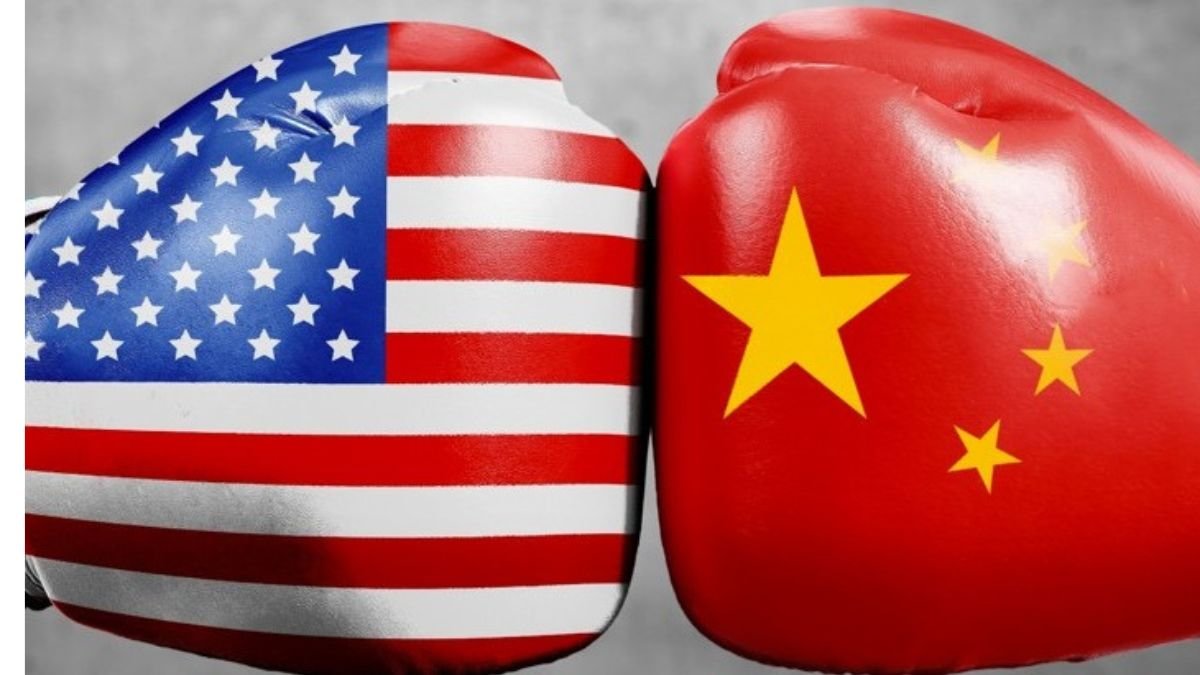
Tensions in the Middle East have intensified following recent military strikes and escalating rhetoric between the United States and Iran. In the midst of the crisis, former U.S. President Donald Trump stirred debate with a striking social media message regarding the ongoing attacks on Iran. In the post, Trump argued that the situation unfolding in the region could effectively become “a gift from the United States of America to China,” a comment that quickly sparked global attention and political discussion.
The statement reflects growing concerns about how the conflict may reshape global power dynamics, particularly involving China’s economic interests and the strategic importance of Middle Eastern energy routes. As military actions continue and tensions remain high, Trump’s remark has added a new dimension to the conversation about the geopolitical consequences of the crisis.
Rising Conflict Between the United States and Iran
The comment came amid a broader escalation involving the United States, Iran, and regional allies. Recent airstrikes and military operations have intensified the conflict, with both sides exchanging threats and warnings. According to reports, Iran has launched drone attacks toward regional targets while the United States and its allies continue military pressure in response to security concerns.

At the same time, the situation remains volatile. Iran has threatened disruptions to shipping routes and carried out retaliatory strikes across the region, increasing fears of a wider war. Meanwhile, U.S. officials have warned that the conflict could lead to further casualties and prolonged instability.
Trump has repeatedly defended the military actions, arguing they are necessary to stop Iran from expanding its military capabilities and nuclear ambitions. In public statements, he claimed the operations are intended to protect global security and prevent Iran from dominating the Middle East.
Why Trump Mentioned China
Trump’s reference to China in his post is tied to the economic and geopolitical consequences of instability in the Middle East. China is one of the world’s largest energy consumers and relies heavily on oil imports from the region. Much of this oil passes through the strategically critical Strait of Hormuz, one of the busiest shipping lanes in the world.

If conflict disrupts oil flows or changes the balance of influence in the region, China could potentially gain strategic advantages. Trump suggested that prolonged instability or changes in regional power structures could ultimately benefit Beijing by giving it opportunities to expand economic and political influence.
The remark highlights a broader concern among policymakers: that conflicts involving Western powers can sometimes create openings for rival nations to strengthen their global position.
The Strategic Importance of the Strait of Hormuz
Another key factor in Trump’s comments is the Strait of Hormuz, a narrow but vital waterway connecting the Persian Gulf to global markets. Around 20 percent of the world’s oil supply passes through this corridor, making it one of the most strategically important shipping routes on the planet.
Trump recently warned Iran against interfering with shipping in the strait, stating that any attempt to block the passage of oil would trigger a severe U.S. response.
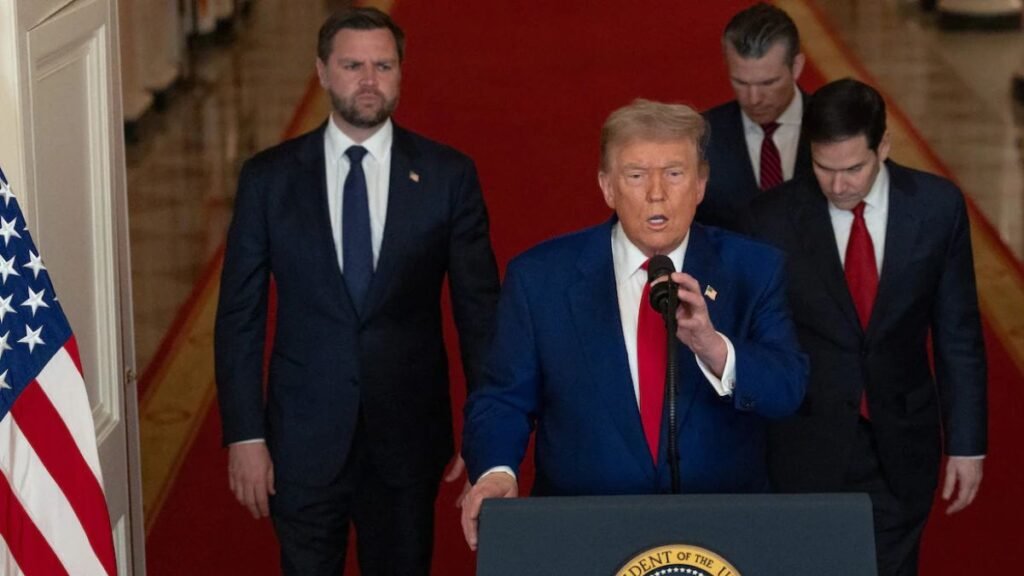
Because many Asian economies, including China, depend heavily on oil transported through this route, any disruption could reshape energy markets and geopolitical alliances. Trump’s “gift to China” comment appears to reflect his view that global reactions to the conflict may ultimately shift economic advantages toward Beijing.
Global Reaction to Trump’s Statement
Trump’s message quickly sparked reactions from political analysts, foreign policy experts, and governments around the world. Supporters argue that he was highlighting the unintended strategic consequences of military conflicts, particularly how rivals like China can benefit when global instability grows.

Critics, however, view the remark as controversial and potentially oversimplifying a complex international situation. They argue that the crisis involves multiple geopolitical layers—including regional security, nuclear concerns, and global energy markets—that cannot be reduced to a single narrative about China’s advantage.
Regardless of interpretation, the statement has fueled broader debate about the long-term impact of the conflict and the shifting balance of global power.
A Conflict With Global Consequences
The ongoing tensions between the United States and Iran have already affected international markets, diplomatic relations, and regional security. Reports indicate that oil prices and global supply concerns have fluctuated as the conflict intensifies. At the same time, countries across the Middle East and beyond are adjusting their security strategies in response to the escalating situation.
Experts warn that the crisis could have far-reaching consequences, influencing everything from energy prices to military alliances. With multiple nations involved and strategic interests at stake, the conflict is no longer just a regional dispute but a matter of global importance.
Conclusion
As the situation continues to unfold, Trump’s controversial remark underscores how geopolitical conflicts often ripple far beyond their immediate battlefield. The intersection of military action, global energy markets, and great-power competition makes the Iran crisis one of the most complex international issues of the moment.
Whether Trump’s claim about China ultimately proves accurate remains to be seen. What is certain, however, is that the conflict’s consequences will likely shape global politics for years to come.
With tensions still rising and diplomatic solutions uncertain, the world continues to watch closely as events in the Middle East unfold—and as leaders across the globe weigh their next moves in an increasingly unpredictable geopolitical landscape.
FAQs
Q1. What did Donald Trump say about the Iran attacks?
A. Trump said the situation could become “a gift from the United States to China,” referring to global oil trade implications.
Q2. Why did Trump mention China in his statement?
A. Trump’s statement has sparked debate among analysts and governments about the geopolitical and economic consequences of the conflict.
Q3. What warning did Trump give to Iran?
A. Trump warned that if Iran blocks oil shipments through the Strait of Hormuz, the U.S. could respond with attacks “20 times harder.
Q4. Why is the Strait of Hormuz important?
A. It is a critical global shipping route where a large portion of the world’s oil supply passes each day.
Q5. How has the international community reacted?
A. Trump’s statement has sparked debate among analysts and governments about the geopolitical and economic consequences of the conflict.
Leave a Reply