
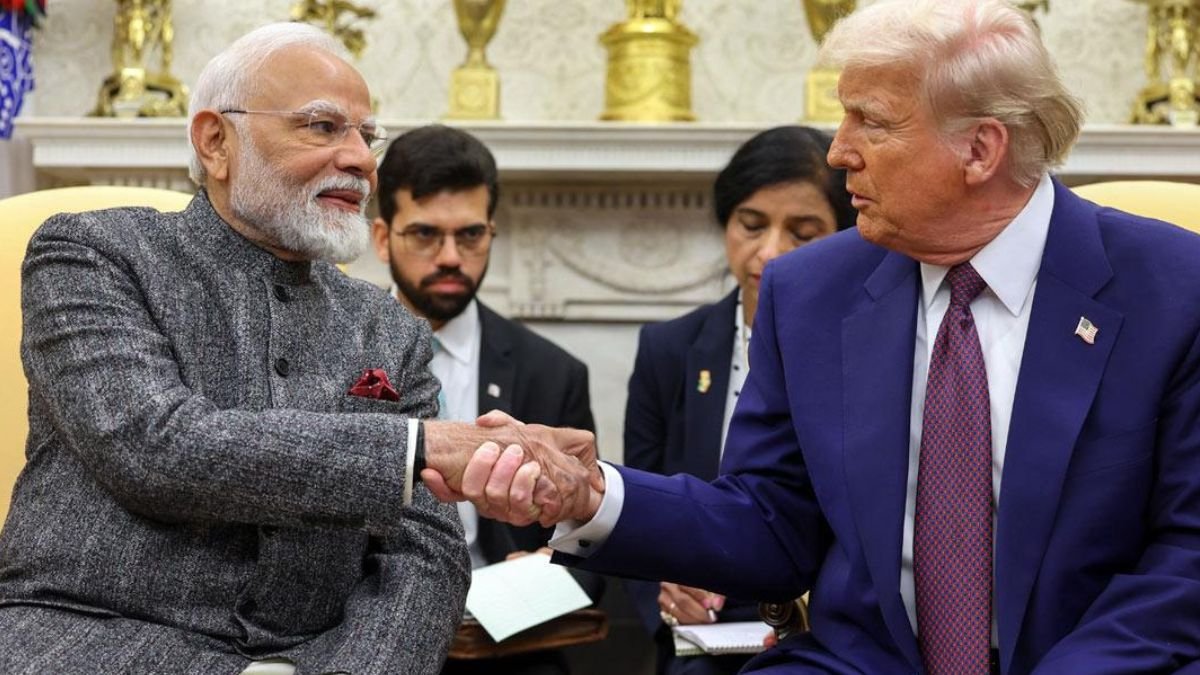
In a significant development amid rising geopolitical tensions, the United States has described India as a “good actor” while granting a temporary waiver allowing Indian refiners to purchase certain shipments of Russian oil. The decision comes during the ongoing crisis involving Iran, which has disrupted global energy supplies and raised concerns about rising oil prices worldwide.
The waiver, issued by U.S. authorities, is designed as a short-term measure to stabilize global energy markets rather than a long-term policy change. Officials in Washington emphasized that the move is intended to ensure that oil continues flowing into international markets at a time when supply routes in the Middle East are under threat.
Why the US Granted the Waiver
The immediate trigger for the waiver is the disruption of oil supplies caused by the conflict involving Iran. The situation has created uncertainty in the global energy market, especially because key shipping routes such as the Strait of Hormuz play a vital role in transporting crude oil from the Middle East.

To prevent a sudden shortage of oil and sharp increases in prices, the U.S. government decided to allow Indian refiners to purchase Russian crude that was already loaded onto ships and stranded at sea due to sanctions restrictions. Officials explained that this limited authorization would help keep global supply stable while minimizing financial benefits to Russia.
This approach reflects a pragmatic effort to manage a volatile energy market rather than a reversal of broader sanctions policies against Moscow.
US Officials Praise India’s Role
U.S. officials have publicly praised India for cooperating with earlier requests related to sanctions on Russian oil. According to U.S. Treasury Secretary Scott Bessent, India had previously reduced purchases of sanctioned Russian crude after Washington urged partners to limit such imports.

Because of this cooperation, American officials described India as a “very good actor” in the global effort to manage sanctions and maintain energy stability. The United States acknowledged that India had already been exploring alternative supplies, including imports of American oil, before the temporary waiver was granted. The statement highlights the importance of the strategic relationship between the two countries, especially in areas such as energy security and global economic stability.
India’s Energy Needs and Strategic Position
India is one of the world’s largest energy consumers and relies heavily on imported crude oil to fuel its economy. Historically, a large portion of India’s oil imports comes from the Middle East, making the country particularly sensitive to disruptions in that region.

When geopolitical conflicts affect oil supply routes, countries like India must quickly adjust their import strategies to ensure a stable energy supply. Russian oil has become an important component of India’s energy mix in recent years, particularly because it is often available at competitive prices.
However, Indian officials have also emphasized that the country does not depend on permission from any other nation to determine its energy policy. New Delhi maintains that its oil purchases are guided by national interests and economic considerations.
Political Debate Surrounding the Decision
The waiver has sparked political debate both in the United States and in India. Some American lawmakers have criticized the move, arguing that allowing Russian oil sales could indirectly benefit Moscow during ongoing geopolitical conflicts.
Supporters of the policy, however, argue that the waiver is strictly limited in scope and duration. They point out that it only covers oil shipments that were already in transit before certain sanctions took effect, meaning the financial gains for Russia would likely be minimal.
In India, the issue has also triggered political discussion. Critics have questioned whether the framing of the waiver suggests that India requires permission from the United States for its energy purchases. Government officials have responded by reiterating that India’s energy decisions remain independent.
Impact on Global Oil Markets
The broader context of the decision is the growing instability in global energy markets. Rising tensions in the Middle East have already pushed oil prices higher, and analysts warn that prolonged disruptions could further strain the global economy.

By allowing certain Russian oil shipments to reach India, U.S. policymakers hope to reduce pressure on oil supplies and calm market fears. The move may help prevent dramatic price spikes that could affect economies worldwide.
At the same time, the waiver highlights the complex balance governments must maintain between enforcing sanctions and ensuring that global markets remain stable.
What Comes Next
The waiver granted by the United States is temporary, lasting only about 30 days. During this period, Indian refiners can process oil cargoes that were already on ships and awaiting delivery. After the waiver expires, policymakers will likely reassess the global energy situation before deciding whether further measures are necessary.
The situation also underscores the evolving dynamics of global energy diplomacy. Countries must navigate geopolitical conflicts, economic pressures, and supply challenges simultaneously.
For now, the U.S. description of India as a “good actor” reflects Washington’s recognition of India’s role in maintaining stability in a complex energy landscape. As the conflict involving Iran continues to shape global oil markets, the decisions made by major energy consumers and producers will remain under close international scrutiny.
FAQs
Q1. Why did the United States call India a “good actor”?
A. U.S. officials said India had previously complied with requests to limit purchases of sanctioned Russian oil, which led Washington to describe the country as a “very good actor.”
Q2. What waiver did the U.S. grant to India?
A. The U.S. issued a temporary 30-day waiver allowing Indian refiners to buy Russian crude that was already loaded on ships and stranded at sea.
Q3. Why was the waiver issued during the Iran conflict?
A. The move was intended to stabilize global oil markets and fill short-term supply gaps caused by tensions and disruptions linked to the Iran crisis.
Q4. Does the waiver mean India needs U.S. permission to buy Russian oil?
A. Indian officials have said the waiver only removes sanctions-related barriers and does not determine India’s independent energy policy.
Q5. Will the waiver significantly benefit Russia?
A. U.S. officials say the measure is limited and only applies to oil already at sea, so it is unlikely to provide major financial gains to Russia.
Leave a Reply