
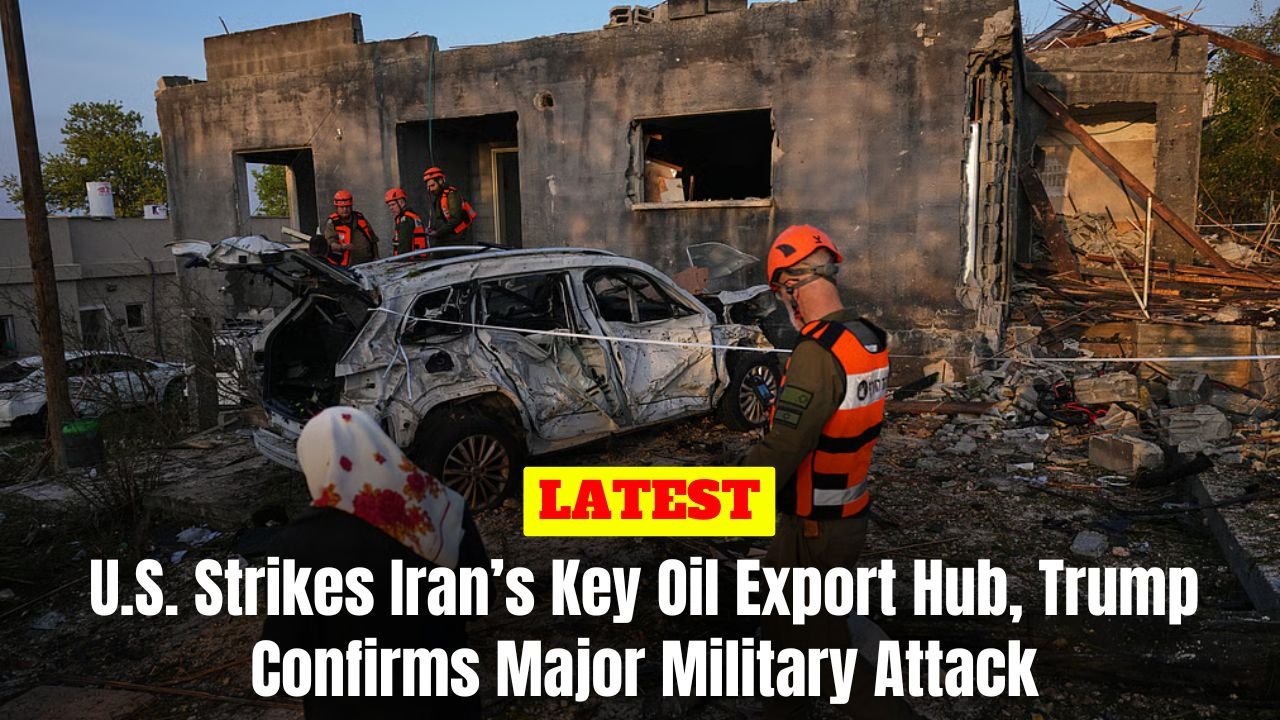
Amidst the ongoing conflict in the Middle East, the situation appears to be growing increasingly grave. US President Donald Trump announced on Friday night that the American military has carried out a major airstrike on Kharg Island—Iran’s most critical oil export hub. This attack comes at a time when global oil prices have witnessed a sharp surge following Iran’s near-total blockade of the Strait of Hormuz.
According to President Trump, he had issued orders to the US Department of Defense to completely destroy the Iranian military bases situated on the island, while ensuring that oil-related economic infrastructure remained undamaged. He stated that this decision was taken with “civilization and global economic equilibrium” in mind, given that this region supplies oil to a significant portion of the world.
Massive Surge in Oil Prices
Since the outbreak of hostilities between Iran and the US-Israel axis, the global oil market has been experiencing severe turbulence. Over the past two weeks alone, crude oil prices in the international market have surged by over 40 percent; on Friday, they crossed the $103-per-barrel mark—a level considered to be the highest since 2022.
The primary catalyst for this surge is the near-halt of shipping traffic through the Strait of Hormuz. This waterway is considered vital for approximately one-fifth of the world’s oil trade. Due to warnings issued by Iran, numerous oil tankers are avoiding this route, thereby impacting global supply chains.
US Boosts Military Presence
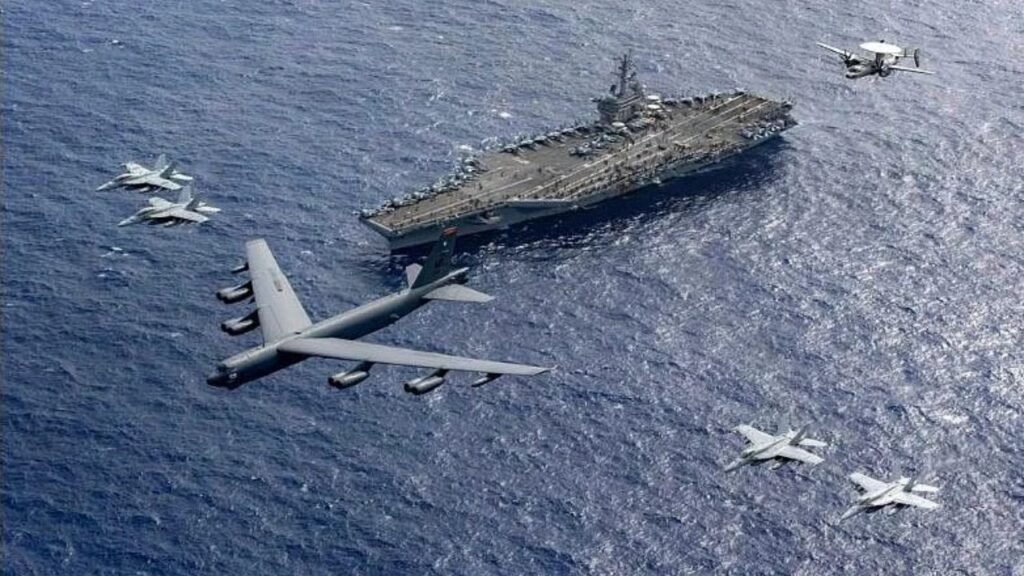
In light of the tense situation, the United States has further bolstered its military deployment in the Middle East. According to officials, approximately 2,500 additional Marines are being dispatched to the region aboard three warships. This comes in addition to the nearly 50,000 US troops already stationed there. However, it remains unclear at this juncture exactly how these newly deployed forces will be utilized. Analysts believe that the US administration did not anticipate the energy crisis escalating so rapidly. Iran has previously utilized the Strait of Hormuz as a tool for strategic leverage on multiple occasions; however, the situation has become significantly more complex this time around.
Iran’s Stern Warning
Following the attack, Iran’s powerful military force—the Islamic Revolutionary Guard Corps (IRGC)—issued a statement warning that if the United States targets oil and energy-related infrastructure, Iran will strike the energy and economic assets of any companies across the region that have ties to the US. According to them, the response to any such action would be “immediate and extremely severe.”
The Rising Human Cost
The impact of the war has not been confined solely to the military front. According to reports, thousands of people have lost their lives in this conflict so far. In Iran, the deaths of over 1,300 civilians have been confirmed, while hundreds of thousands have been forced to flee their homes.
The situation also remains critical in Lebanon, where continuous exchanges of fire are taking place between Israel and Hezbollah. Airstrikes have caused massive destruction in several cities, resulting in the displacement of a large number of people.
Kharg Island: A Strategic Imperative
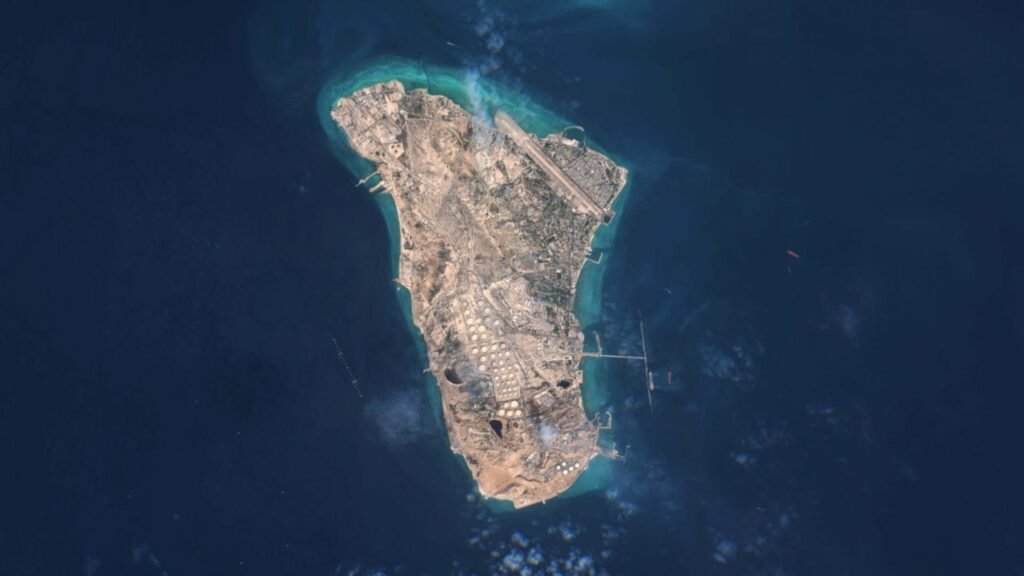
Kharg Island is considered to be of paramount importance to Iran from both economic and energy perspectives. It is estimated that approximately 90 percent of the country’s oil exports are routed through this island. The site houses massive oil storage tanks, petrochemical plants, and large terminals dedicated to the export of liquefied natural gas (LNG).
Consequently, any form of attack on this location could not only cripple Iran’s economy but also deliver a severe shock to the global energy market.
An Uncertain Future
The escalating conflict in the Middle East has heightened concerns across the globe. Its repercussions on the oil market, global trade, and regional security are becoming increasingly evident. At present, it remains unclear how long the war will persist or whether diplomatic channels can successfully de-escalate the tensions. However, one thing is certain: this conflict will continue to exert a significant influence on both global politics and the economy for the foreseeable future.
FAQs
Q1. Why did the U.S. attack Kharg Island?
The United States targeted military facilities on Kharg Island after Iran’s actions in the Strait of Hormuz disrupted global oil supply and increased tensions in the region.
Q2. What is the importance of Kharg Island?
Kharg Island is Iran’s main oil export hub, handling nearly 90% of the country’s oil exports and hosting major storage and petrochemical facilities.
Q3. How did the conflict affect global oil prices?
Oil prices surged by more than 40% since the war began, reaching over $103 per barrel due to fears of supply disruptions.
Q4. Did the U.S. damage Iran’s oil infrastructure in the attack?
According to President Donald Trump, U.S. forces targeted only military sites and avoided damaging oil infrastructure.
Leave a Reply