
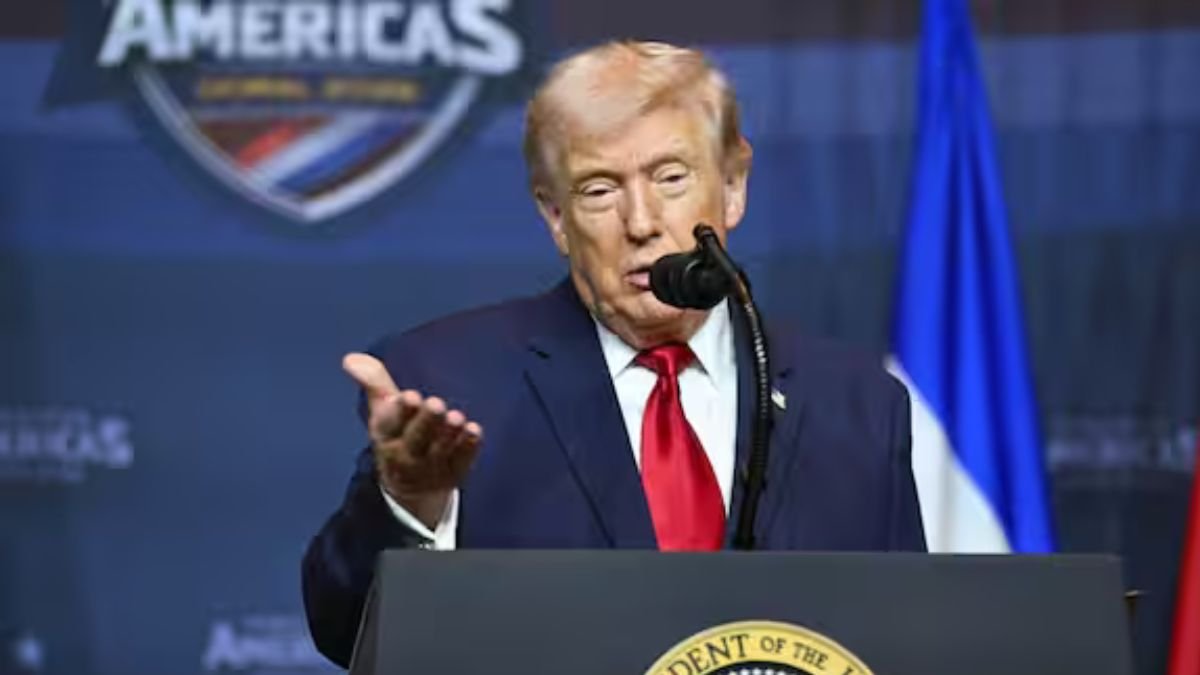
Comments from political leaders about military decisions often attract strong public attention, especially when they involve tense international relations. Recently, Donald Trump drew widespread discussion after explaining why the United States Navy allegedly chose to sink Iranian vessels rather than capture them during a confrontation at sea. His explanation included a striking remark attributed to one of his generals, who reportedly said it was “a lot more fun” to sink the ships than to seize them.
The comment quickly became a topic of debate across political and military circles, with some interpreting it as a blunt reflection of battlefield realities while others criticized the tone of the statement. Regardless of interpretation, the remark shed light on the complexities and split-second decisions involved in naval confrontations.
Background of US–Iran Naval Tensions
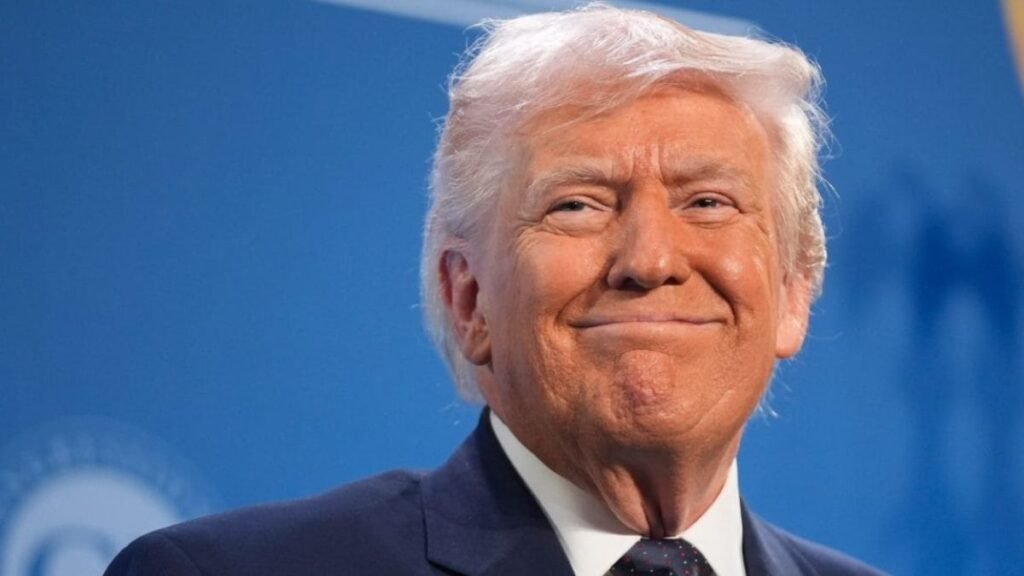
Relations between the United States and Iran have long been marked by tension, particularly in strategic waterways such as the Persian Gulf. This region is one of the world’s most important maritime routes for global energy shipments, making it a frequent focus of military patrols and international attention.

Over the years, both countries have experienced several close encounters between naval vessels in these waters. These situations can escalate quickly, requiring commanders to make rapid decisions to protect their ships and personnel. As a result, military actions in such scenarios are often shaped by operational rules, strategic priorities, and immediate threats.
Trump’s Explanation of the Decision
During his remarks, Trump described a situation in which U.S. forces faced Iranian boats that were considered threatening or hostile. According to his account, instead of attempting to capture the vessels, the U.S. military chose to destroy them. Trump said a general involved in the decision explained the reasoning in blunt terms, suggesting that sinking the boats was easier and more straightforward than trying to capture them.
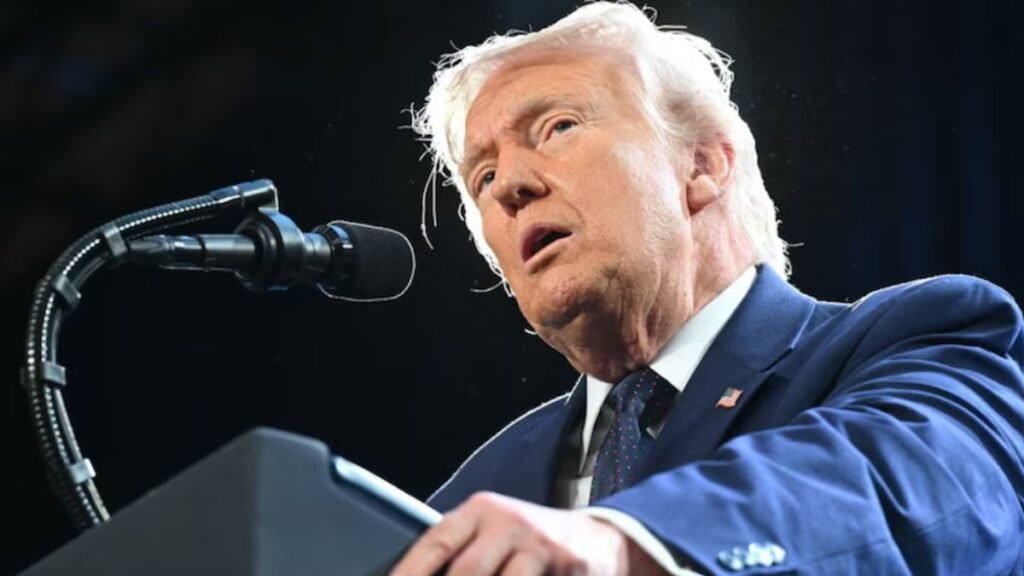
While the statement was delivered in a somewhat casual tone, it reflected a practical aspect of military operations. Capturing enemy vessels at sea can be extremely complicated. It often requires boarding operations, additional personnel, and careful coordination to ensure the safety of everyone involved. In contrast, neutralizing a threat through force can sometimes be viewed by commanders as a faster and less risky option in dangerous situations.
The Challenges of Capturing Enemy Ships
Naval experts note that capturing ships during active confrontations is far from simple. Boarding another vessel requires specialized training, equipment, and a secure environment. If hostile forces resist, the situation can quickly escalate into a violent conflict that puts both sides at risk.
Additionally, once a ship is captured, it must be secured, inspected, and often escorted to a safe port. This process can involve significant logistical challenges. In high-risk areas where tensions are already elevated, commanders may determine that disabling or destroying a threatening vessel is the most effective way to prevent further danger.
Reactions From Political and Military Observers
Trump’s comments sparked mixed reactions from observers. Some supporters argued that his explanation highlighted the reality of military decision-making, where protecting American forces is always the top priority. They suggested that in potentially dangerous confrontations, commanders must choose the option that minimizes risk to their personnel.

Critics, however, focused on the wording of the statement, arguing that describing such actions as “fun” could appear insensitive given the seriousness of military conflict. For them, the language used in discussing international tensions matters greatly, especially when relations between countries are already strained.
Despite differing views on the tone of the remark, many analysts agreed that the underlying issue reflects the complex and often dangerous nature of naval encounters.
The Strategic Importance of the Persian Gulf
The waters around Iran remain one of the most strategically important regions in global politics. Naval forces from multiple countries patrol the area to ensure the security of shipping routes and maintain regional stability. Because of this, any incident involving military vessels can quickly draw international attention.
Encounters between U.S. and Iranian naval units have occurred periodically over the years, sometimes leading to tense standoffs. Both sides typically try to avoid full-scale escalation, but the possibility of miscalculation always exists.
Military Decisions Under Pressure
Military commanders frequently operate under extreme pressure, where decisions must be made in seconds rather than hours. In such situations, protecting the lives of service members and preventing threats from escalating are often the primary objectives.
Trump’s explanation of the incident highlights how strategic and operational considerations shape these choices. While public discussions about such events may focus on political implications, those directly involved must concentrate on immediate safety and mission success.
Conclusion
The remarks from Donald Trump about sinking rather than capturing Iranian ships reignited discussions about the realities of military strategy and the sensitive nature of international relations. Encounters between naval forces in tense regions like the Persian Gulf require careful judgment, quick thinking, and a constant focus on security.
Whether viewed as a blunt description of military pragmatism or a controversial statement about conflict, the episode underscores how complex and high-stakes decisions at sea can be. In the end, naval confrontations are rarely simple, and the choices made in those moments can carry lasting political and diplomatic consequences.
FAQs
1. Who explained why the US sank Iranian ships instead of capturing them?
The explanation was given by Donald Trump, who quoted a military general during his remarks.
2. Which countries were involved in the naval incident?
The situation involved the United States and Iran.
3. Why did the US reportedly sink the Iranian ships?
According to Trump, a general suggested that destroying the ships was easier and quicker than attempting to capture them during the confrontation.
4. Where do most US–Iran naval tensions occur?
Many encounters between the two nations happen in the Persian Gulf, a strategically important maritime region.
5. Why is capturing enemy ships more difficult than sinking them?
Capturing ships requires complex boarding operations, additional personnel, and higher risks compared to disabling or destroying a vessel.
Leave a Reply