
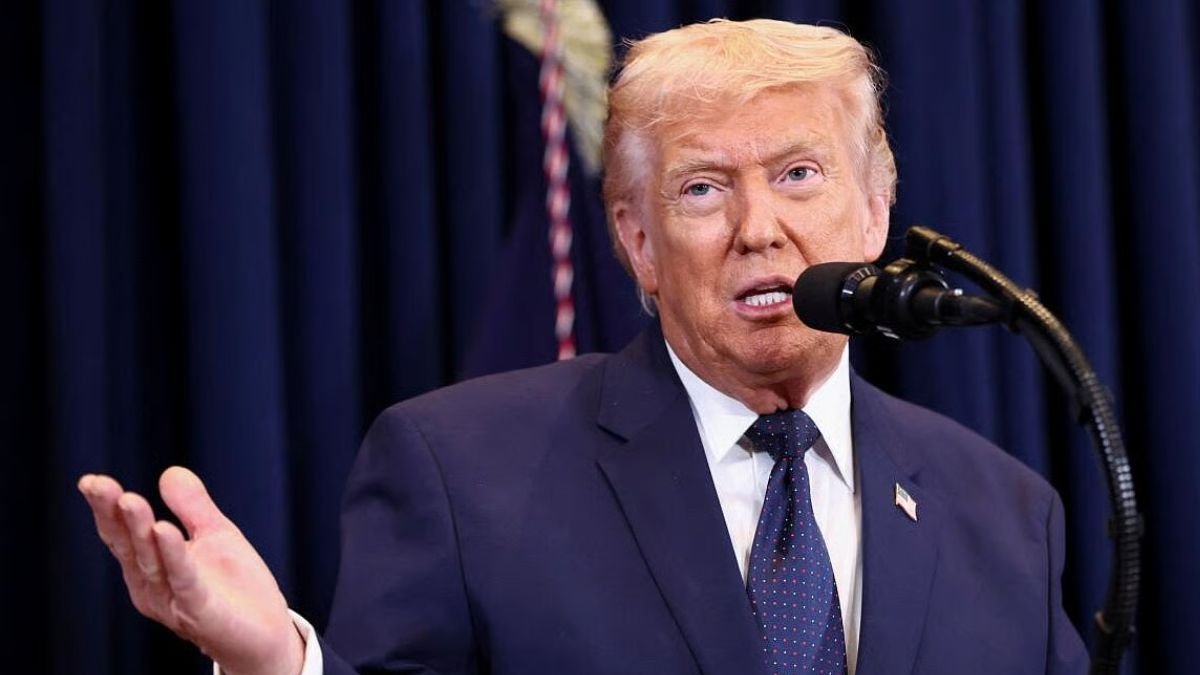
The conflict between the United States and Iran has intensified in recent weeks, drawing global attention and raising concerns about regional stability. During a recent address, Donald Trump made a striking claim that U.S. forces had sunk 46 Iranian naval vessels during the ongoing military operations. He also stated that Iran’s navy had effectively been wiped out and warned that the conflict could continue for some time.
The remarks came as the confrontation between the United States and Iran continues to dominate international headlines. The military actions, combined with political statements from leaders on both sides, have fueled uncertainty about how the situation might evolve in the coming weeks.
Trump’s Statement About the Iranian Navy
According to Trump, U.S. military operations have dealt a devastating blow to Iran’s naval capabilities. He claimed that dozens of Iranian ships were destroyed and that the vessels are now “lying at the bottom of the ocean.”

Trump also described a conversation with military officials about why the ships were sunk instead of being captured. He said he had asked why the vessels were not seized and reused but was told by officials that sinking them was considered safer and even “more fun.” The comment reportedly drew laughter from the audience during his remarks. While Trump framed the operation as a decisive victory, details about the exact number of ships destroyed remain difficult to verify independently.
Military Operations Against Iran
The U.S. administration has described its military campaign as a major success so far. Officials claim that multiple Iranian military targets have been struck, including naval vessels, communication systems, and infrastructure linked to Iran’s defense capabilities.

Pentagon briefings have indicated that American forces have destroyed several Iranian naval assets and significantly weakened Iran’s ability to operate effectively at sea. Some officials have suggested that the country’s naval presence in the region has been largely neutralized, though Iran has not confirmed those claims.
The operations are part of a broader military strategy aimed at limiting Iran’s ability to threaten international shipping routes or carry out missile and drone attacks.
Strategic Importance of the Strait of Hormuz
One of the most sensitive aspects of the conflict involves the Strait of Hormuz. This narrow passage is one of the world’s most important energy corridors, carrying a significant portion of global oil shipments.

Control of this waterway has long been a source of tension between Iran and Western powers. Any disruption to shipping through the strait can have major consequences for global energy markets and international trade.
As military actions continue in the region, governments and energy companies around the world are closely monitoring the situation to assess the potential impact on oil supplies and shipping routes.
Global Reaction and Concerns
Trump’s remarks have sparked strong reactions internationally. Supporters argue that the military action demonstrates the strength of U.S. forces and sends a clear message to Iran. Critics, however, worry that such statements could escalate tensions further and make diplomatic solutions more difficult.

Allies in Europe and the Middle East have called for caution and emphasized the importance of preventing the conflict from spreading into a wider regional war. Many governments are also concerned about the economic impact of prolonged instability in the region.
The ongoing conflict has already affected global oil prices, shipping insurance costs, and diplomatic relations among several major powers.
Uncertainty Over the War’s Duration
Despite describing the campaign as highly successful, Trump indicated that the war is not yet over. He suggested that the conflict could continue until the United States achieves its strategic objectives in the region.
At the same time, reports suggest that diplomatic channels may still be open. Some officials have indicated that negotiations between Washington and Tehran could be possible if certain conditions are met.
For now, however, the situation remains unpredictable. Military operations, political rhetoric, and diplomatic efforts are all unfolding simultaneously, making it difficult to predict how the conflict will ultimately end.
A Conflict with Global Implications
The confrontation between the United States and Iran is not just a regional issue—it carries implications for global security, international diplomacy, and energy markets. The claims made by Trump about sinking dozens of Iranian ships highlight the scale of the military engagement and the intensity of the current tensions.
As the conflict continues, the world will be watching closely to see whether the situation escalates further or moves toward negotiation and de-escalation. In either case, the developments in the Middle East will likely shape international politics and economic stability for months to come.
FAQs
Q1. What did Donald Trump claim about Iranian ships?
A. Trump said U.S. forces had sunk 46 Iranian naval vessels in about three and a half days during the ongoing conflict.
Q2. Why did Trump say the ships were sunk instead of captured?
A. According to Trump, U.S. military officials told him it was safer and “more fun” to sink the ships rather than capture them.
Q3. Did Trump say Iran still has a navy?
A. Trump claimed that Iran’s navy has effectively been destroyed, saying the ships are “lying at the bottom of the ocean.”
Q4. How does this relate to the current conflict with Iran?
A. The claim came amid the ongoing U.S.–Iran military conflict, where the U.S. says it has targeted thousands of Iranian military sites.
Q5. Will the war continue according to Trump?
A. Trump indicated that military operations could continue until U.S. strategic goals are achieved, suggesting the conflict may not end immediately.
Leave a Reply