
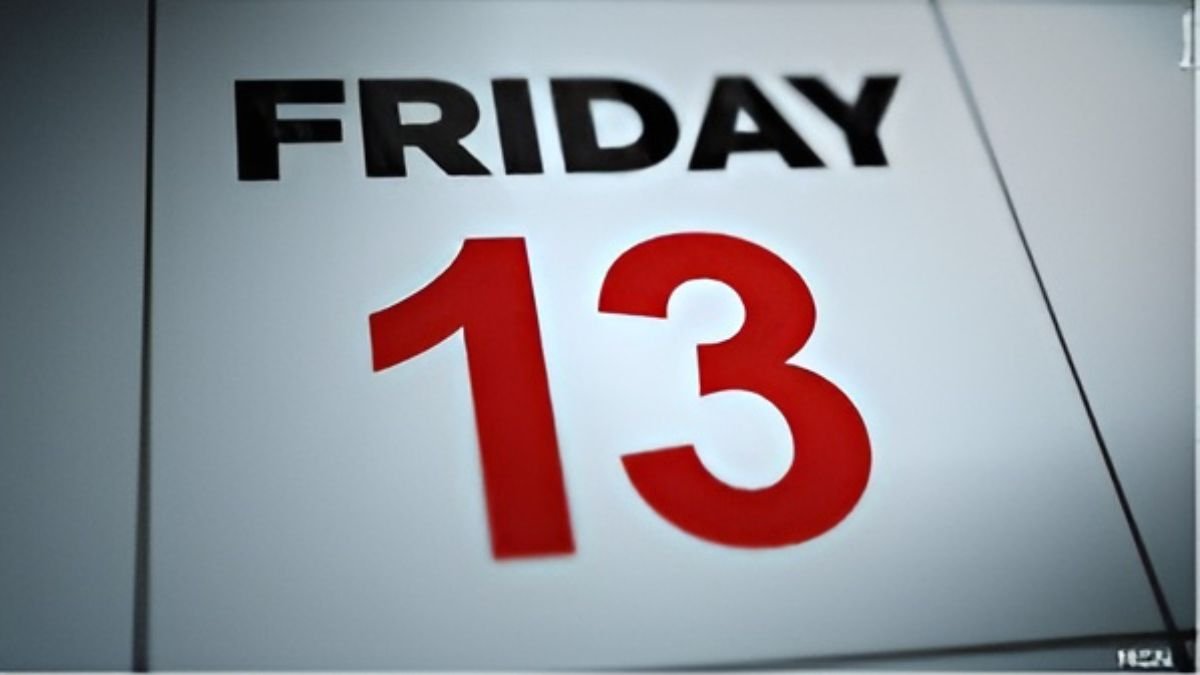
For many people around the world, Friday the 13th is just another date on the calendar. However, for those who suffer from Friggatriskaidekaphobia, the day carries a deep sense of anxiety and unease. The term may sound complicated, but it simply describes the fear of Friday the 13th. The word itself comes from a mix of linguistic roots—“Frigg,” referring to the Norse goddess associated with Friday, “triskaideka,” the Greek word for thirteen, and “phobia,” meaning fear.
While it might seem unusual to some, this fear has existed for centuries and continues to influence how people view this particular date. In fact, certain individuals avoid traveling, signing contracts, or making important decisions when Friday the 13th arrives. Hotels sometimes skip the 13th floor, and airlines have occasionally reported fewer passengers on flights scheduled for that day. For those who genuinely fear it, the date represents more than superstition—it triggers real stress.
Why the Number 13 Has a Dark Reputation
The negative reputation of the number 13 did not appear overnight. Its origins are rooted in mythology, religion, and folklore from various cultures. One frequently cited example comes from the Christian tradition, where the Last Supper included thirteen individuals at the table before the crucifixion of Jesus. Over time, this story helped strengthen the belief that the number 13 brings bad luck.
Norse mythology also plays a role in shaping this superstition. According to legend, a dinner gathering of twelve gods in Valhalla was disrupted by the arrival of Loki, the trickster god, who became the thirteenth guest. His presence ultimately led to chaos and tragedy, reinforcing the idea that thirteen guests at a table could invite misfortune.
Across centuries, these stories blended into cultural traditions. As societies passed down these tales, the number 13 slowly developed an eerie reputation that still lingers today.
The Special Case of Friday the 13th
Individually, both Friday and the number 13 have long been associated with negative symbolism in various cultures. When they combine on the calendar, the result becomes a date that many consider particularly unlucky.
Friday itself historically carried a gloomy reputation in some traditions. In medieval Europe, Friday was believed to be an unfavorable day for starting important tasks or journeys. When the unlucky number 13 falls on this already suspicious day of the week, the superstition becomes even stronger.
This combination created one of the most widely recognized superstitions in modern society. Even people who do not fully believe in bad luck often acknowledge the unusual feeling surrounding Friday the 13th.
Why 2026 Is Unusual
Most years include at least one Friday the 13th, but occasionally the calendar aligns in a way that produces more than one occurrence. In 2026, this phenomenon happens three times. The dates fall in February, March, and November, making it a year that particularly stands out for those who already feel uneasy about the day.
For people with Friggatriskaidekaphobia, the presence of three such dates in a single year can intensify their worries. It means the unsettling day appears repeatedly within the same calendar year, offering more moments that trigger their fear.
However, from a mathematical perspective, this alignment is simply a result of how the Gregorian calendar functions. The pattern of weekdays and dates occasionally creates clusters where the 13th lands on a Friday multiple times.
Superstition in the Modern World
Despite living in an era driven by science and technology, superstitions remain surprisingly resilient. Friday the 13th continues to appear in movies, books, and popular culture as a symbol of mystery or bad luck. The date has inspired countless horror stories and films, further reinforcing its reputation in modern entertainment.
Psychologists often explain that such beliefs persist because humans naturally seek patterns and meaning in everyday events. When something unfortunate happens on Friday the 13th, it becomes easier to remember and attribute the event to the date itself, strengthening the superstition.
Interestingly, many studies have shown that the day itself is no more dangerous than any other. Accidents, financial losses, and unexpected problems occur throughout the year, not just on this particular date.
Conclusion
The year 2026 may bring unsettling news for people who fear Friday the 13th, as the calendar includes the date three separate times. Yet the phenomenon is simply a quirk of the calendar rather than a sign of impending misfortune. While the superstition surrounding Friday the 13th has deep historical and cultural roots, modern evidence suggests that the day is no more unlucky than any other.
Still, the legend continues to capture the imagination of millions. Whether people view it with genuine fear, mild curiosity, or playful humor, Friday the 13th remains one of the most fascinating and enduring superstitions in the world. For those who dread it, 2026 might feel like a challenging year—but for everyone else, it is simply another reminder of how traditions and myths continue to shape the way we interpret the calendar.
FAQs
1. What is Friggatriskaidekaphobia?
It is the fear of Friday the 13th, a superstition combining fear of the number 13 and the day Friday.
2. How many Friday the 13ths will occur in 2026?
There will be three Friday the 13ths in 2026.
3. Which months have Friday the 13th in 2026?
In February, March, and November, the 13th day falls on a Friday.
Leave a Reply