
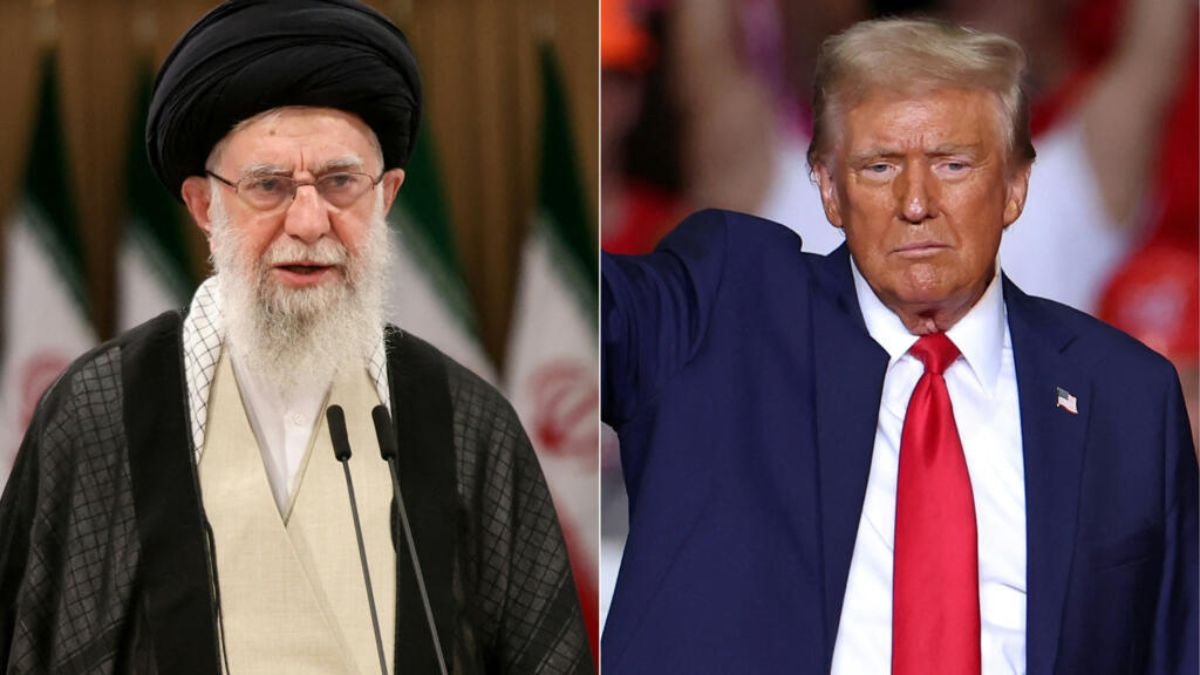
The geopolitical standoff between Iran and the United States has entered a complicated phase as reports suggest that Iran’s actions are frustrating the war strategy of Donald Trump. What initially appeared to be a decisive military campaign has turned into a more unpredictable conflict, with Iran employing tactics designed to slow down or complicate U.S. plans.
The confrontation is part of a broader regional conflict that escalated after military strikes and retaliatory attacks earlier in 2026. Since then, both sides have engaged in a mixture of military operations, political messaging, and strategic maneuvers that have intensified tensions across the Middle East.
Iran’s Strategy of Disruption
Rather than confronting U.S. forces through a traditional large-scale military battle, analysts say Iran has relied on strategies intended to disrupt and frustrate its opponent. These tactics include asymmetric warfare, regional proxy operations, and strategic threats targeting vital global resources such as energy routes.
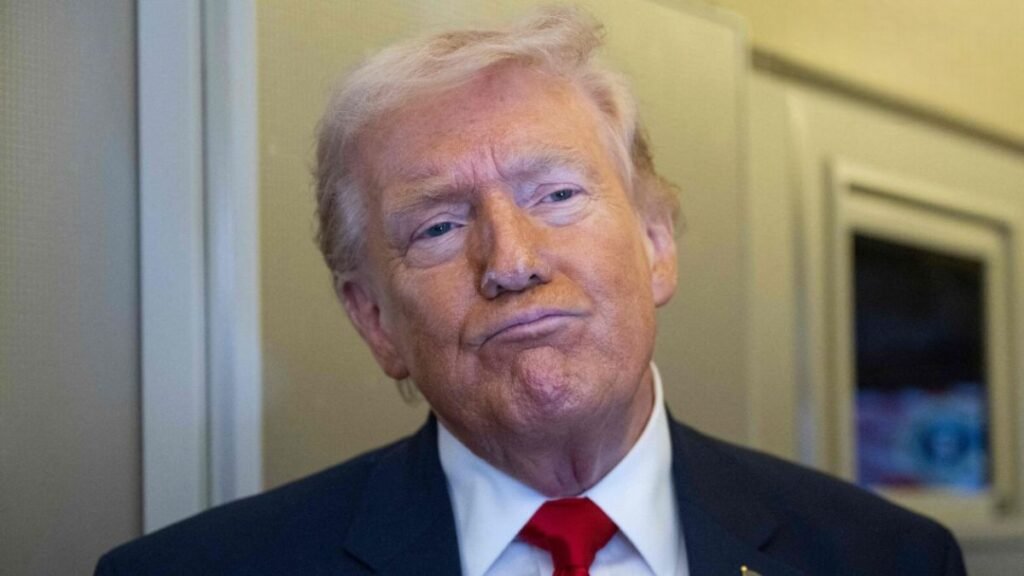
Experts note that this type of strategy allows Iran to challenge stronger military powers without engaging in direct confrontation. Reports suggest Tehran has been focusing on creating uncertainty and raising the cost of prolonged conflict for its adversaries. According to analysts, these methods are designed to complicate any attempt at a quick or decisive victory by the United States.
A Conflict That Did Not Go as Planned
Early expectations in Washington suggested that a strong military response could quickly weaken Iran’s capabilities and force political concessions. However, the evolving situation indicates that the conflict may be far more complex than originally anticipated.

Iranian officials have repeatedly rejected threats from Washington and insisted they are ready to respond to any military action. They have also warned that American strategies aimed at pressuring Tehran are unlikely to succeed, claiming earlier plans have already failed.
These developments have led some observers to argue that the war’s progress has not fully matched the expectations of U.S. policymakers.
Economic and Global Implications
The conflict is not only a military issue but also an economic one. One of the most significant concerns involves the Strait of Hormuz, a vital shipping route through which a large portion of the world’s oil supply passes. Iranian leaders have threatened to disrupt traffic through the strait, a move that could trigger major consequences for global energy markets.
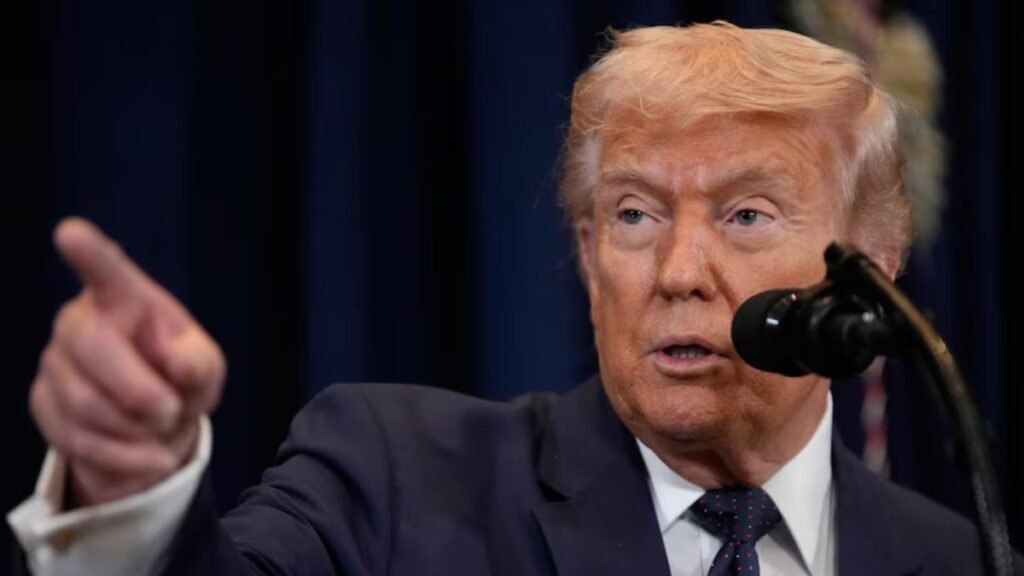
Even the possibility of such disruptions has raised fears among governments and businesses worldwide. Oil markets tend to react quickly to geopolitical instability, and any interruption in energy supplies from the Gulf region could have ripple effects on fuel prices, trade, and economic stability.
Regional Reactions and Diplomatic Strains
The ongoing conflict has also strained relations between the United States and some of its regional partners. Reports indicate that certain Gulf allies have expressed frustration over how the situation has been handled, particularly regarding communication and coordination before major military actions.
At the same time, countries across the Middle East are closely watching developments. Many governments fear that a prolonged war could destabilize the region and increase the risk of wider conflict involving multiple states or militant groups.
The Role of Cyber and Information Warfare
Beyond traditional battlefield tactics, the conflict has increasingly involved cyber operations and information warfare. Both sides have reportedly engaged in cyber activities aimed at disrupting communications, infrastructure, and public messaging.

Digital attacks and propaganda campaigns have become part of the modern battlefield, adding another layer of complexity to the conflict. Analysts believe these efforts are intended not only to damage infrastructure but also to influence public perception and political pressure. Such tactics demonstrate how modern warfare often extends far beyond conventional military operations.
Political Pressure at Home
Back in the United States, the conflict with Iran has sparked intense political debate. Supporters argue that strong action is necessary to counter Iran’s military and nuclear ambitions, while critics warn that the war could become prolonged and unpredictable.
Political pressure can influence how leaders approach conflicts abroad, particularly when economic consequences—such as rising oil prices or global instability—begin affecting domestic concerns.
An Uncertain Path Forward
As the conflict continues, it remains unclear how the situation will evolve. While military operations are ongoing, diplomatic channels and back-channel negotiations could still play a role in shaping the future of the crisis.
History shows that conflicts between major powers rarely follow predictable paths. Strategies change, alliances shift, and unexpected events can reshape the outcome.
Conclusion
The growing tension between Iran and the United States highlights how modern conflicts involve far more than direct military confrontation. By using tactics designed to disrupt and complicate its opponent’s plans, Iran appears to be challenging the effectiveness of Washington’s strategy.
For the Trump administration, the situation represents a difficult geopolitical puzzle—balancing military objectives, global economic stability, and regional alliances. As events continue to unfold, the world will be watching closely to see whether diplomacy, escalation, or a new strategic approach ultimately defines the next chapter of this high-stakes confrontation.
FAQs
Q1. Why is Iran said to be frustrating Trump’s war strategy?
A. Reports suggest Iran has used tactics such as retaliation, regional pressure, and threats to global shipping routes to complicate U.S. military plans and make a quick victory difficult.
Q2. What strategies has Iran reportedly used against the U.S.?
A. Analysts say Iran relies on asymmetric tactics—such as missile strikes, drone attacks, and regional influence—to impose costs on its opponents rather than fight a traditional large-scale war.
Q3. How has the conflict affected global markets?
A. Tensions in the region have raised concerns about disruptions to oil shipping through the Strait of Hormuz, a key route for global energy supplies, which can impact fuel prices worldwide.
Q4. What has Donald Trump said about the conflict?
A. Trump has expressed frustration with the limits of military options against Iran but has also stated that he believes the conflict could end soon if objectives are achieved.
Q5. Could the conflict escalate further?
A. Experts warn that continued retaliation or regional involvement could widen the conflict, making diplomacy or negotiations crucial for preventing a larger war.
Leave a Reply