
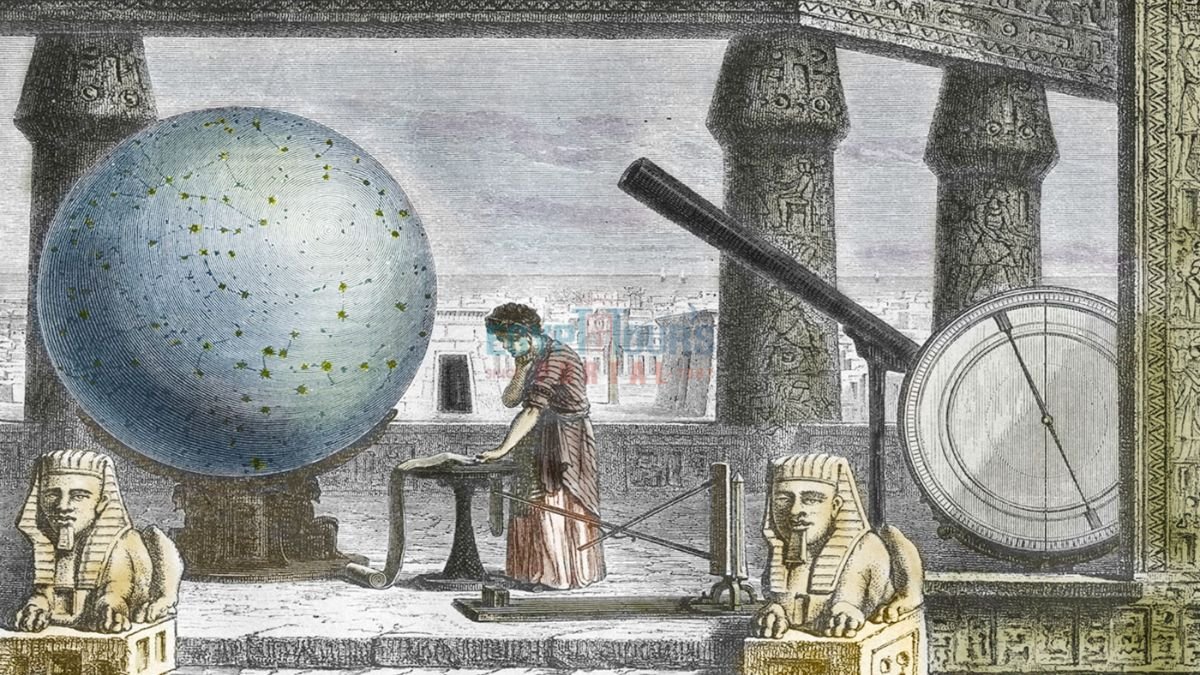
Long before telescopes, satellites, or modern astronomy existed, the Sun stood at the very center of human life. It determined when people woke, when they slept, when crops were planted, and when harvests began. For early civilizations, understanding the Sun was not a scientific curiosity but a matter of survival. From predicting seasons to organizing religious festivals, ancient societies carefully observed the Sun’s movements across the sky. Over time, these observations gave rise to remarkable structures now known as ancient solar observatories—architectural and cultural achievements designed to track the Sun with surprising precision.
Understanding Ancient Solar Observatories
Ancient solar observatories were structures, monuments, or specially designed landscapes that allowed people to observe, mark, and interpret the Sun’s position throughout the year. Unlike modern observatories filled with instruments and technology, these ancient sites relied entirely on natural elements such as stone, wood, shadows, sightlines, and the horizon. Their purpose was not only astronomical but also social, agricultural, and spiritual. They helped communities understand the rhythm of the year and align their lives with cosmic cycles.
These observatories were often integrated into temples, ceremonial centers, or sacred landscapes, reflecting the belief that the Sun was a divine force. Observing the Sun was both a scientific and a religious act, blending practical knowledge with spiritual meaning.
Why Tracking the Sun Was Essential for Early Civilizations
For early societies, tracking the Sun meant predicting the future. The Sun’s rising and setting points changed slightly each day, creating a predictable pattern that defined the seasons. Knowing when the longest and shortest days occurred—the solstices—or when day and night were equal—the equinoxes—was crucial for agriculture. Planting too early or harvesting too late could lead to famine.
Beyond agriculture, solar tracking helped organize calendars, festivals, and political power. Rulers and priests who could “predict” solar events appeared divinely favored, reinforcing their authority. The Sun became a cosmic clock, and those who understood it held immense influence.
Stone and Shadow: The Simplest Solar Tools
One of the earliest methods of tracking the Sun involved observing shadows. A simple vertical stone or pole, often called a gnomon, could cast shadows that changed length and direction throughout the day and year. By marking these changes on the ground, ancient observers could identify solar noon, seasonal shifts, and important dates.
Over generations, these simple tools evolved into complex stone arrangements. Carefully placed stones aligned with sunrise or sunset on specific days created reliable markers of time. These arrangements were often refined through centuries of observation, passed down orally and through ritual practices.
Stonehenge and the Solar Alignment Tradition
Among the most famous ancient solar observatories is Stonehenge in England. This prehistoric monument, built in stages over thousands of years, is aligned with the sunrise on the summer solstice and the sunset on the winter solstice. On these days, sunlight interacts with the stones in a dramatic and intentional way, revealing a deep understanding of solar cycles.
Stonehenge was not merely a calendar; it was a ceremonial space where astronomy, ritual, and community converged. The effort required to transport and erect massive stones suggests that solar observation was central to social organization and belief systems.
Ancient Egypt: Solar Gods and Monumental Precision
In ancient Egypt, the Sun was worshipped as a god, most notably Ra. Egyptian architecture reflects this reverence, with temples and pyramids often aligned to solar events. The Great Pyramid of Giza, for example, is aligned with remarkable accuracy to the cardinal directions, indicating advanced astronomical knowledge.
Temples such as Abu Simbel were designed so that sunlight penetrated deep into the sanctuary on specific days of the year, illuminating statues of gods. These events symbolized divine order and reinforced the connection between the pharaoh, the gods, and the cosmos.
Mesoamerican Mastery of Solar Observation
Across the Atlantic, ancient Mesoamerican civilizations such as the Maya and the Aztecs developed highly sophisticated solar observatories. The Maya, in particular, were exceptional astronomers who created detailed solar calendars. Structures like El Castillo at Chichén Itzá demonstrate this expertise, as sunlight creates the illusion of a serpent descending the pyramid during equinoxes.
Mesoamerican solar observatories were deeply connected to mythology and ritual. Solar events marked times for ceremonies, sacrifices, and political transitions, reflecting a worldview in which cosmic cycles governed human destiny.
India and the Science of Solar Geometry
Ancient India also made significant contributions to solar observation. Structures such as the Jantar Mantar observatories, though built later, reflect a long tradition of astronomical study rooted in ancient texts. Earlier temples were often aligned to solstices and equinoxes, integrating solar movement into religious architecture.
Indian astronomers developed mathematical models to predict solar eclipses and seasonal changes, blending observation with theoretical understanding. This approach highlights how ancient solar observatories were not isolated monuments but part of broader intellectual traditions.
The Role of Landscape in Solar Observation
Many ancient solar observatories were designed in harmony with natural landscapes. Mountains, hills, and horizon points served as reference markers for sunrise and sunset. By observing where the Sun appeared relative to these features, ancient astronomers could track its annual journey.
This integration of nature and architecture reflects a worldview in which humans were not separate from the environment but part of a larger cosmic system. The land itself became a tool for understanding the heavens.
Knowledge Transmission Across Generations
The construction and use of solar observatories required long-term knowledge transmission. Observations had to be recorded, remembered, and refined over centuries. This knowledge was often preserved through rituals, myths, and priestly classes rather than written records.
Storytelling and ceremony played a crucial role in ensuring that solar knowledge survived. By embedding astronomical information within cultural traditions, ancient societies ensured continuity even in the absence of formal science.
Were Ancient Solar Observatories Scientific?
While ancient solar observatories may not fit modern definitions of science, they were based on systematic observation, pattern recognition, and practical application. Early astronomers tested alignments, corrected errors, and refined their methods over time. Their work laid the foundation for later astronomical advancements.
These observatories demonstrate that scientific thinking existed long before modern tools. They reflect a deep curiosity about the universe and a desire to understand humanity’s place within it.
The Decline and Rediscovery of Solar Observatories
As societies evolved and new technologies emerged, many ancient solar observatories fell into disuse. Some were forgotten, buried, or destroyed, while others were repurposed. It was only in recent centuries that archaeologists and astronomers began to recognize their true significance.
Modern research has revealed the sophistication of these structures, challenging earlier assumptions that ancient civilizations lacked scientific knowledge. Today, these sites are valued as both cultural heritage and scientific achievements.
Conclusion: Ancient Wisdom Under the Same Sun
Ancient solar observatories remind us that humanity’s quest to understand the cosmos is as old as civilization itself. Long before modern science, early societies observed the Sun with patience, creativity, and reverence. Through stone, shadow, and landscape, they built systems that connected daily life to cosmic rhythms.
These observatories were not just tools for tracking time; they were expressions of belief, survival, and identity. They show that ancient civilizations possessed a profound understanding of the natural world and a deep respect for the forces that shaped their lives. Under the same Sun that rises today, our ancestors found meaning, order, and inspiration—leaving behind monuments that continue to speak across time.
Leave a Reply