
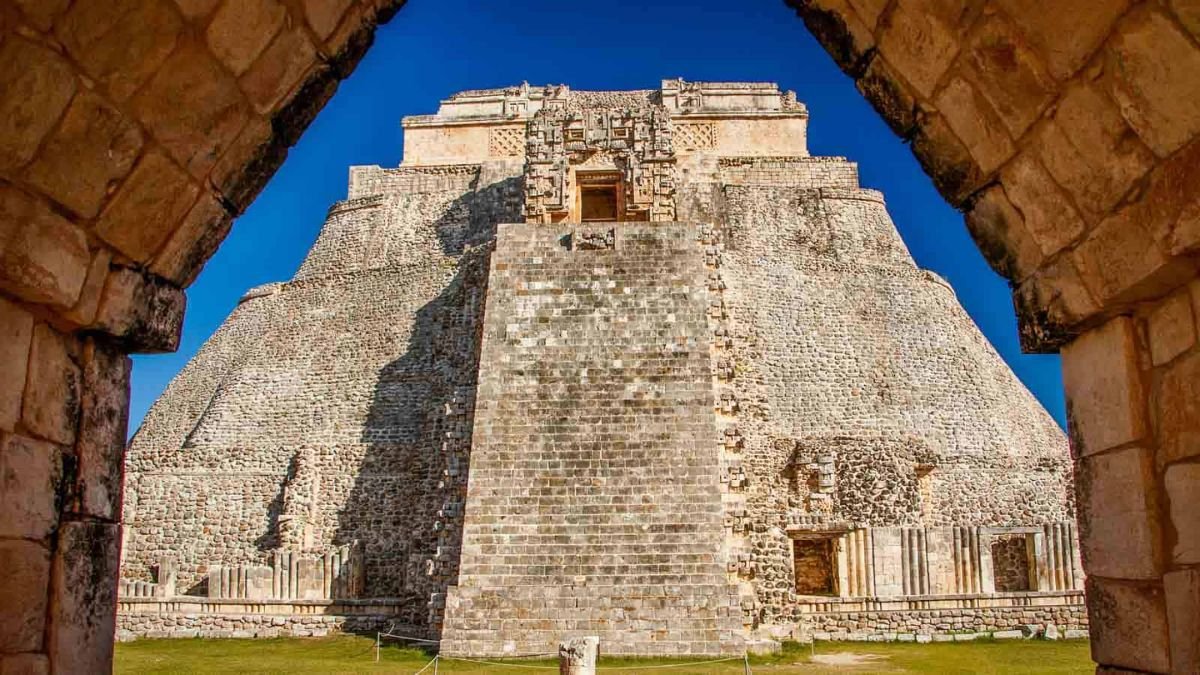
The Yucatán Peninsula is home to some of the most extraordinary examples of ancient astronomical knowledge in the world. Long before modern science developed telescopes and precise instruments, the Maya created architectural observatories that tracked the Sun with remarkable accuracy. Sites such as Chichén Itzá and Uxmal reveal how deeply solar observation was woven into Maya life. These structures were not built merely as temples or palaces but as tools for understanding time, seasons, and the sacred order of the universe. Exploring Mayan solar observatories offers a window into a civilization that combined science, spirituality, and daily survival into a single, harmonious system.
The Maya and Their Relationship With the Sun
For the Maya, the Sun was one of the most powerful forces in existence. It governed agriculture, marked the passage of time, and symbolized divine authority. The Sun’s daily journey across the sky and its seasonal shifts were seen as expressions of cosmic balance. By carefully observing these patterns, the Maya believed they could maintain harmony between humans, nature, and the gods. This belief motivated generations of builders and astronomer-priests to design structures that captured sunlight at meaningful moments throughout the year.
Why the Yucatán Was Ideal for Solar Observation
The geography of the Yucatán Peninsula made it especially suitable for solar observation. Its relatively flat landscape provided clear horizons, allowing precise tracking of sunrise and sunset positions. The region’s predictable seasonal cycles further encouraged long-term observation. Over centuries, the Maya learned exactly where the Sun would rise and set during solstices and equinoxes. This knowledge was then encoded into stone through carefully aligned buildings that still demonstrate their accuracy today.
Chichén Itzá as a Center of Solar Knowledge
Chichén Itzá stands as the most famous example of Mayan solar architecture. At its heart is El Castillo, also known as the Temple of Kukulkán. This pyramid is a masterpiece of astronomical design. During the spring and autumn equinoxes, sunlight creates a pattern of light and shadow that appears as a serpent slithering down the staircase. This phenomenon symbolizes Kukulkán, the feathered serpent deity, descending to Earth. The effect is not accidental but the result of precise calculations and a deep understanding of the Sun’s movement.
El Castillo and the Solar Calendar
Beyond the equinox serpent, El Castillo also functions as a solar calendar. The pyramid has 365 steps when including the top platform, matching the number of days in the solar year. This detail reflects the Maya’s awareness of the year’s length and their ability to represent it architecturally. Standing before El Castillo during key solar events reveals how the Maya transformed abstract astronomical knowledge into a physical, communal experience that reinforced cultural identity and religious belief.
The Role of Ceremonies at Chichén Itzá
Solar events at Chichén Itzá were not silent observations but vibrant public moments. Equinoxes likely drew large gatherings for ceremonies, offerings, and rituals. These events strengthened social bonds and reminded the community of their connection to the cosmos. The predictability of solar alignments reinforced trust in Maya leaders and priest-astronomers, who demonstrated their ability to interpret the will of the heavens.
Uxmal and Its Subtle Solar Alignments
While Chichén Itzá is dramatic, Uxmal offers a more subtle yet equally impressive example of Mayan solar observation. Uxmal’s architecture reflects careful attention to the Sun’s movement, particularly through structures like the Governor’s Palace. This long building is aligned with the extreme rising points of Venus, which is closely tied to solar cycles, and also reflects solar positioning. The Maya at Uxmal emphasized elegance and precision, embedding astronomical meaning into refined architectural forms.
The Governor’s Palace and Seasonal Markers
The Governor’s Palace at Uxmal sits atop a raised platform, giving it a commanding view of the surrounding landscape. Its orientation suggests intentional alignment with celestial events, helping mark important seasonal transitions. These transitions were critical for agriculture and ritual planning. The building’s decorative elements further emphasize celestial symbolism, reinforcing the idea that leadership and cosmic order were deeply connected.
Beyond Chichén Itzá and Uxmal
The story of Mayan solar observatories does not end with these two famous sites. Across the Yucatán Peninsula, numerous lesser-known locations reveal similar attention to solar alignment. Sites like Dzibilchaltún feature temples where the Sun rises directly through doorways during equinoxes. These widespread examples show that solar knowledge was not limited to major political centers but was a shared cultural practice across Maya society.
Dzibilchaltún and the Equinox Sunrise
At Dzibilchaltún, the Temple of the Seven Dolls provides a striking equinox display. As the Sun rises, its light passes perfectly through the temple’s central doorway, illuminating the interior. This alignment marks a moment of balance between day and night and likely signaled important agricultural and ceremonial activities. The precision of this phenomenon demonstrates the Maya’s consistent ability to integrate solar observation into diverse architectural styles.
The Role of Maya Astronomer-Priests
Behind every solar observatory stood generations of knowledgeable individuals dedicated to studying the sky. Maya astronomer-priests observed the Sun daily, recorded patterns, and passed their knowledge through oral tradition and written codices. Their role extended beyond science; they interpreted celestial events as messages from the gods. This blend of observation and belief ensured that solar knowledge remained central to governance, religion, and community life.
Tools and Techniques Without Modern Technology
The accuracy of Mayan solar observatories is even more impressive considering the lack of modern instruments. The Maya relied on naked-eye observation, horizon markers, and long-term record keeping. By noting where the Sun rose and set over many years, they identified stable patterns. Architecture then became a permanent record of these observations. This method required patience, collaboration, and a deep respect for natural cycles.
Solar Knowledge and Agriculture
Solar observatories played a crucial role in agriculture, the foundation of Maya survival. Knowing when the rainy season would begin allowed farmers to plant maize at the optimal time. Missing this window could result in crop failure. Solar alignments provided reliable seasonal markers that guided agricultural decisions, reducing risk in a challenging environment. In this way, solar architecture directly supported food security and societal stability.
Spiritual Meaning of Solar Observation
For the Maya, solar observation was never purely practical. The Sun was a living force connected to gods and ancestors. Alignments during solstices and equinoxes were moments of spiritual renewal. Temples served as places where humans could connect with divine energy through light and shadow. This spiritual dimension gave solar observatories emotional and symbolic power that extended far beyond their scientific function.
The Legacy of Mayan Solar Observatories
Today, Mayan solar observatories continue to inspire awe and curiosity. Modern researchers confirm the precision of these alignments using advanced technology, validating what the Maya knew centuries ago. Descendant Maya communities still honor solar cycles through traditional ceremonies, showing that this knowledge remains alive. Preservation of these sites ensures that future generations can appreciate the sophistication and wisdom of Maya civilization.
Lessons From the Maya for the Modern World
Mayan solar observatories offer valuable lessons about living in harmony with nature. They remind us that understanding natural cycles can promote sustainability and balance. The Maya did not seek to control the environment but to work within its rhythms. Their achievements challenge modern assumptions about ancient knowledge and encourage a renewed respect for traditional ways of understanding the world.
Conclusion
The Mayan solar observatories of the Yucatán, from Chichén Itzá and Uxmal to lesser-known sites beyond, stand as enduring records of human curiosity and ingenuity. Through careful observation and masterful design, the Maya transformed sunlight into a language written in stone. These structures reveal a civilization that understood time, honored the cosmos, and integrated science with spirituality. Even today, as the Sun illuminates these ancient buildings, it continues to tell the story of a people who looked to the sky and found meaning, order, and inspiration.
Leave a Reply