
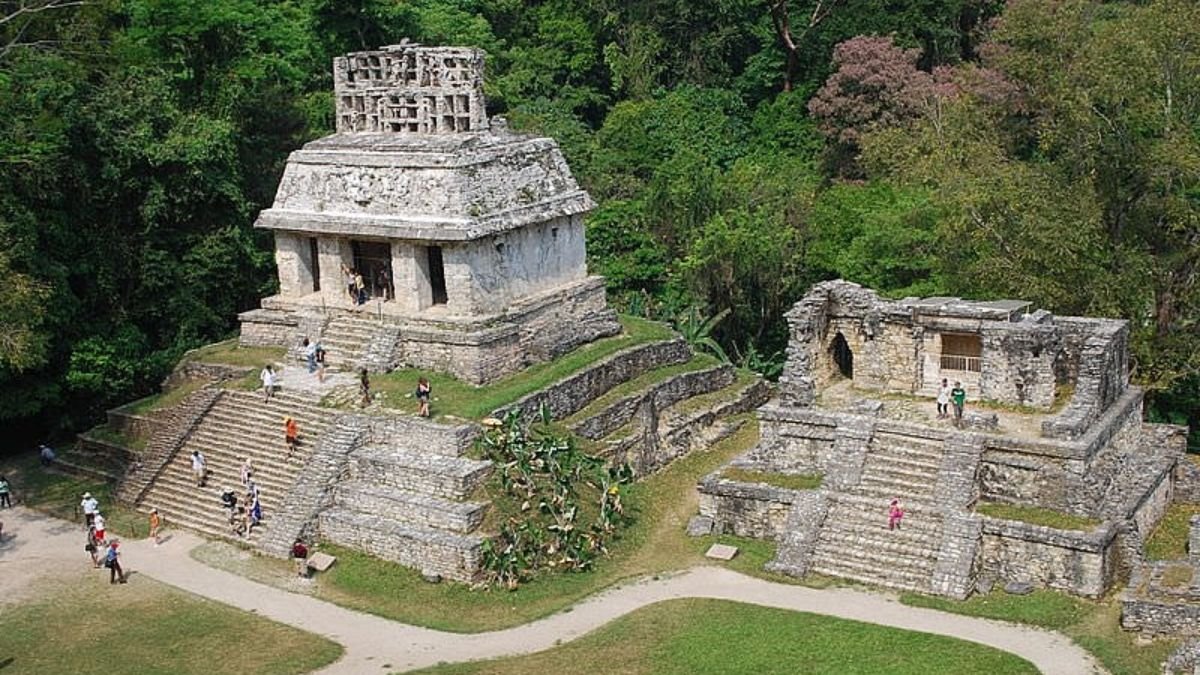
For the ancient Maya, cities and temples were never placed at random. Every stone, pathway, and sacred structure reflected a deep understanding of the Sun and its movements across the sky. Long before modern astronomy, the Maya used sunlight as a guiding force to design cities that aligned with cosmic order. Their architecture reveals a civilization that viewed the Sun not only as a source of life but as a divine guide shaping space, time, and meaning. By studying how the Maya used the Sun to design cities and temples, we uncover a sophisticated system where science, spirituality, and urban planning merged into one.
The Maya Worldview and the Power of the Sun
The Maya believed the universe was alive and governed by powerful celestial forces. Among these, the Sun held a central place. It represented creation, renewal, authority, and balance. Each sunrise symbolized rebirth, while sunsets marked transition and continuity. The annual movement of the Sun defined the seasons, agricultural cycles, and ceremonial calendar. Because the Maya saw no separation between the natural and spiritual worlds, solar movement was interpreted as divine communication. This belief system shaped how cities were organized and how temples were positioned within them.
Solar Knowledge as the Foundation of City Planning
Maya city planning was guided by long-term observation of the Sun’s path. Builders studied where the Sun rose and set during solstices and equinoxes and used these points to orient major structures. Cities were often arranged around ceremonial centers that aligned with solar events, creating a shared spatial focus for the community. This approach ensured that urban life followed the rhythm of the heavens, reinforcing harmony between human activity and cosmic order.
Temples as Solar Instruments
Maya temples were more than places of worship. They functioned as solar instruments designed to capture, frame, and display sunlight at significant times of the year. Stairways, doorways, and windows were positioned to interact with light and shadow in meaningful ways. During equinoxes and solstices, sunlight illuminated specific architectural features, creating dramatic visual effects. These moments transformed temples into living calendars, marking time through light rather than numbers.
Chichén Itzá and the Serpent of Light
One of the most famous examples of solar design is El Castillo at Chichén Itzá. This pyramid was engineered so that during the spring and autumn equinoxes, shadows form the illusion of a serpent descending the staircase. This event symbolizes Kukulkán, the feathered serpent deity, returning to Earth. The effect demonstrates extraordinary precision and planning. It required deep knowledge of solar angles, seasonal timing, and architectural geometry. The pyramid’s design also reflects the solar year, with 365 steps representing each day, further reinforcing the Maya’s solar awareness.
Urban Centers as Sacred Landscapes
Maya cities were conceived as sacred landscapes rather than purely residential spaces. Plazas, temples, and palaces were arranged to reflect celestial patterns. Open spaces allowed unobstructed views of the horizon, enabling solar observation during key events. These shared spaces became gathering points where communities witnessed solar phenomena together, strengthening social unity. City layouts thus acted as collective tools for understanding time and maintaining cultural continuity.
The Role of Solstices and Equinoxes
Solstices and equinoxes were essential markers in Maya urban design. The solstices signaled the longest and shortest days of the year, while equinoxes represented balance between light and darkness. Structures were often aligned to these events to mark transitions in agricultural and ceremonial cycles. Observing these moments helped the Maya decide when to plant crops, perform rituals, and honor the gods. Cities designed around these events ensured that essential knowledge was visible and shared rather than hidden.
Uxmal and Elegant Solar Alignment
At Uxmal, solar design took a more subtle and refined form. The Governor’s Palace, one of the site’s most impressive structures, is carefully oriented to celestial events linked to solar and planetary cycles. Its elevated position provides clear sightlines to the horizon, reinforcing its role as a cosmic reference point. Unlike the dramatic shadow effects of Chichén Itzá, Uxmal’s solar design emphasizes precision and symbolism, reflecting a regional variation in architectural expression.
Beyond Major Cities: Solar Design Across the Maya World
Solar-based design was not limited to major political centers. Smaller cities and ceremonial sites throughout the Maya region display similar principles. Temples at sites like Dzibilchaltún align with equinox sunrises, while other locations use doorways and corridors to frame sunlight on specific dates. This widespread consistency suggests that solar knowledge was shared across regions and embedded deeply within Maya culture.
The Work of Maya Astronomer-Priests
Behind every solar-aligned city stood generations of astronomer-priests who observed the sky and interpreted its meaning. These specialists recorded solar movements, tracked seasonal changes, and guided construction projects. Their authority came from their ability to predict celestial events accurately. By aligning cities and temples with the Sun, they demonstrated their connection to divine knowledge, reinforcing political and religious leadership.
Architecture as a Record of Time
Maya architecture served as a permanent record of time. While calendars tracked days numerically, buildings captured time visually through light and shadow. This approach ensured that knowledge could be passed across generations even without written records. As long as the Sun rose and set, the buildings continued to teach, reminding future communities of cosmic order and seasonal rhythm.
Solar Design and Agricultural Survival
Agriculture was the backbone of Maya society, and solar design played a critical role in ensuring food security. Knowing when the rainy season would begin was essential for planting maize. Solar-aligned structures provided reliable seasonal markers that reduced uncertainty. Cities designed around these markers helped synchronize agricultural activities across communities, increasing resilience in a challenging environment.
Spiritual Meaning Embedded in Stone
Solar-aligned temples carried deep spiritual meaning. Light entering sacred spaces during key moments was seen as a divine presence. These experiences reinforced the belief that the gods were actively involved in human life. Temples became places where heaven and Earth connected through sunlight, making architecture a bridge between worlds.
Adapting to Nature Rather Than Controlling It
The Maya approach to city design reflects a philosophy of adaptation rather than domination. Instead of forcing the environment to conform, they observed natural patterns and built accordingly. Solar alignment demonstrates respect for nature’s rhythms and an understanding that long-term survival depends on harmony rather than exploitation.
The Decline of Cities and the Survival of Knowledge
Even after many Maya cities declined due to environmental and social pressures, solar knowledge did not disappear. Descendant Maya communities preserved this understanding through traditions, ceremonies, and oral history. The continuity of solar awareness highlights its importance beyond political centers, emphasizing its role in cultural identity.
Modern Discoveries and Renewed Appreciation
Modern archaeologists and astronomers continue to uncover the sophistication of Maya solar design. Advanced technology confirms the precision of alignments that were achieved without modern tools. These discoveries challenge outdated views of ancient civilizations and highlight the Maya as skilled scientists and engineers.
Lessons for the Modern World
Maya solar city design offers valuable lessons today. It reminds us that sustainable living begins with understanding natural cycles. By aligning human activity with environmental rhythms, societies can create resilience and balance. The Maya demonstrate that technology is not the only path to knowledge; observation, patience, and respect for nature are equally powerful.
Conclusion
The Maya used the Sun as both a guide and a teacher, shaping cities and temples that reflected cosmic order. Through careful observation and inspired design, they created urban spaces that functioned as calendars, ceremonial centers, and expressions of belief. These cities were not just built from stone but written in sunlight, telling a story of harmony between humanity and the heavens. Even today, as the Sun continues to illuminate these ancient structures, it reveals the brilliance of a civilization that understood the sky and built its world in alignment with it.
Leave a Reply