
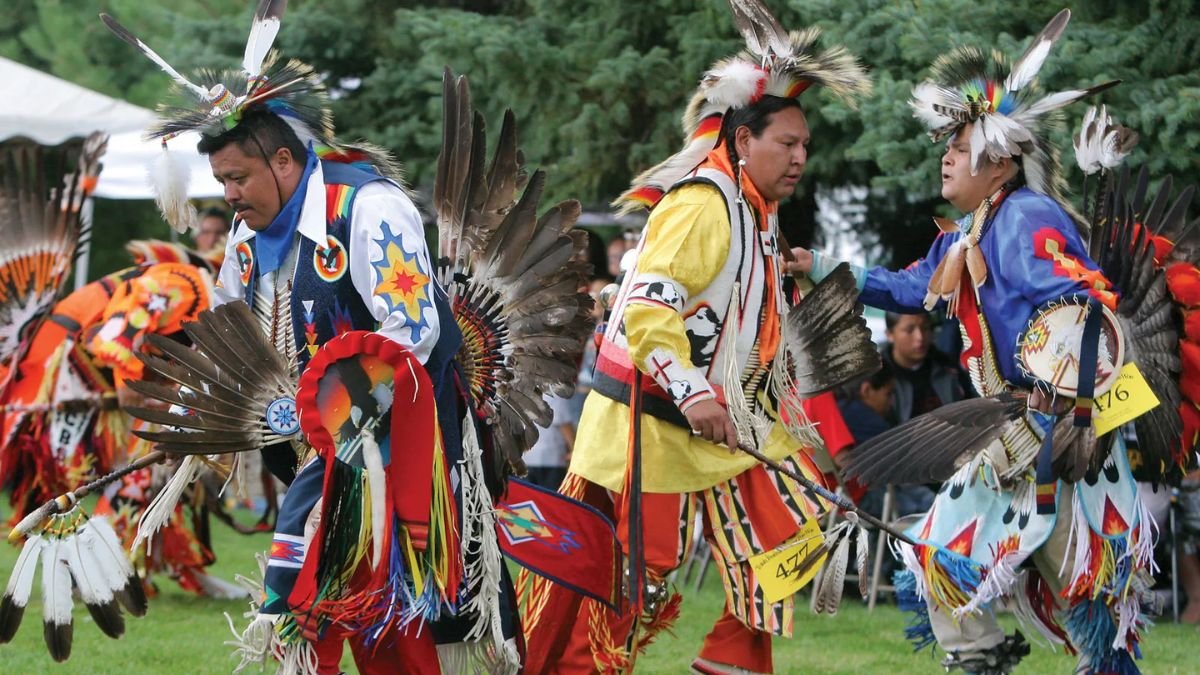
Across North America, Native American cultures developed rich traditions centered on the Sun long before modern science explained its physical nature. For many Indigenous communities, the Sun was not merely a celestial object but a living presence that sustained life, shaped time, and guided spiritual understanding. Solar practices were woven into daily routines, seasonal cycles, ceremonies, and social organization. By exploring Native American solar practices and their cultural significance, we gain insight into knowledge systems that emphasize balance, respect for nature, and a deep connection between humans and the cosmos.
Indigenous Worldviews and the Meaning of the Sun
Native American worldviews are diverse, yet many share a common understanding of the Sun as a life-giving force. The Sun was often seen as a creator, a guardian, or a powerful ancestor. Its daily journey across the sky symbolized continuity and order, while its seasonal changes marked renewal and transformation. Rather than separating science and spirituality, Indigenous cultures understood solar knowledge as holistic. Observing the Sun was both a practical necessity and a sacred act that reinforced cultural identity and moral values.
Solar Cycles and the Organization of Time
For Native American communities, solar cycles formed the foundation of timekeeping. The length of days, the position of sunrise and sunset, and the changing seasons guided calendars that were closely tied to the natural world. These calendars were not abstract systems but living guides that helped communities know when to plant crops, hunt animals, gather plants, and hold ceremonies. By aligning daily life with solar rhythms, Indigenous peoples ensured survival while maintaining harmony with their environment.
The Sun and Agricultural Practices
Agriculture played a central role in many Native American societies, and solar observation was essential to its success. Knowing when the Sun reached certain positions on the horizon allowed farmers to anticipate seasonal changes. Planting corn, beans, squash, and other crops depended on accurate timing. Solar practices reduced uncertainty in unpredictable climates and strengthened food security. These practices demonstrate how closely Indigenous knowledge systems were tied to environmental awareness and sustainability.
Ceremonial Importance of the Sun
Ceremonies honoring the Sun were among the most significant events in many Native American cultures. These rituals expressed gratitude for life, renewal, and balance. The Sun Dance, practiced by several Plains tribes, is one of the most well-known solar ceremonies. It symbolizes sacrifice, renewal, and communal strength. Participants seek spiritual guidance and healing through devotion to the Sun, reinforcing the idea that human well-being is connected to cosmic forces.
The Sun as a Source of Healing and Renewal
In many traditions, the Sun was believed to possess healing power. Sunrise ceremonies welcomed new beginnings, while prayers offered at dawn sought clarity and strength. Sunlight was associated with purification and spiritual awakening. These practices highlight the belief that physical and spiritual health are interconnected and influenced by natural forces. By honoring the Sun, communities affirmed their commitment to balance and personal responsibility.
Architecture and Solar Alignment
Native American solar practices were often expressed through architecture and landscape use. Structures, villages, and ceremonial sites were sometimes aligned with sunrise or sunset during solstices and equinoxes. These alignments required careful observation over many years. By embedding solar knowledge into physical spaces, communities created lasting records of their understanding of time and the cosmos. These sites also served as gathering places where solar events could be witnessed collectively, strengthening social bonds.
Chaco Canyon and Puebloan Solar Traditions
Among the Ancestral Puebloans of the American Southwest, solar observation shaped architecture and ritual life. In places like Chaco Canyon, buildings and rock art align with solstices and equinoxes. These alignments marked important moments in the ceremonial calendar and guided agricultural planning. Puebloan solar traditions demonstrate how observation of the Sun was integrated into community organization and spiritual practice.
Solar Knowledge Among Plains Cultures
For Plains tribes, whose lives depended on seasonal migration and buffalo hunting, solar observation helped track time and guide movement. The Sun was honored as a powerful spiritual entity that oversaw life and death. Ceremonies aligned with solar cycles reinforced communal identity and moral values. These practices illustrate how solar knowledge adapted to different environments and ways of life.
The Sun in Woodland and Eastern Traditions
In the Eastern Woodlands, Native American cultures developed solar practices tied to agriculture, hunting, and seasonal ceremonies. The Green Corn Ceremony, celebrated by several Southeastern tribes, is linked to the agricultural cycle and solar timing. It marks renewal, forgiveness, and gratitude for the harvest. Solar observation ensured that such ceremonies occurred at the proper time, maintaining balance between human activity and natural cycles.
Oral Tradition and the Transmission of Solar Knowledge
Solar knowledge was preserved and transmitted through oral tradition, storytelling, and hands-on teaching. Elders played a crucial role in passing down understanding of solar cycles, ceremonies, and moral lessons associated with the Sun. Stories about the Sun often carried ethical teachings, reminding listeners of their responsibilities to the community and the Earth. This method of knowledge transmission ensured continuity across generations without written records.
Symbolism of the Sun in Art and Storytelling
The Sun appears frequently in Native American art, songs, and stories. Symbols representing the Sun can be found in pottery, textiles, rock art, and ceremonial objects. These symbols often convey themes of life, protection, and unity. Through artistic expression, solar knowledge became part of everyday life, reinforcing cultural values in subtle yet powerful ways.
Respect for Balance and Reciprocity
A key aspect of Native American solar practices is the principle of reciprocity. The Sun gives life, and humans are expected to respond with respect, gratitude, and responsible behavior. Ceremonies honoring the Sun were acts of giving back rather than requests for domination over nature. This philosophy contrasts sharply with extractive approaches to the environment and offers lessons about sustainability and ethical living.
The Impact of Colonization on Solar Traditions
Colonization disrupted many Native American solar practices through forced relocation, suppression of ceremonies, and loss of land. Despite these challenges, Indigenous communities preserved their knowledge through resilience and adaptation. In recent decades, there has been a revival of traditional ceremonies and renewed interest in Indigenous astronomy. This revival reflects a broader movement to reclaim cultural identity and honor ancestral wisdom.
Modern Recognition of Indigenous Solar Knowledge
Today, scientists and scholars increasingly recognize the sophistication of Native American solar practices. Indigenous knowledge systems are valued for their long-term observational accuracy and ecological insight. Collaborations between Indigenous communities and researchers highlight how traditional solar knowledge can complement modern science, particularly in understanding climate patterns and sustainable land use.
Lessons for the Contemporary World
Native American solar practices offer meaningful lessons for modern society. They remind us that time is not just measured but experienced, that nature is a partner rather than a resource, and that spirituality and science can coexist. By paying attention to natural cycles, communities can foster resilience, respect, and sustainability.
Cultural Continuity and the Sun Today
For many Native American communities, the Sun remains a central symbol of cultural continuity. Ceremonies, stories, and teachings continue to honor its role in sustaining life and guiding moral values. This continuity reflects the enduring strength of Indigenous cultures and their ability to adapt while preserving core beliefs.
Conclusion
Native American solar practices represent a profound relationship with the natural world, rooted in observation, respect, and spiritual understanding. Through ceremonies, architecture, agriculture, and storytelling, Indigenous cultures honored the Sun as a source of life and balance. These practices were not relics of the past but living traditions that continue to shape identity and values today. By learning from Native American solar knowledge, we are reminded that true wisdom lies in living in harmony with the rhythms of the Earth and the enduring light of the Sun.
Leave a Reply