Turn sunlight into time
Traditions of the Sun is the field guide to how Ancestral Puebloans and the Maya read the sky, from sun daggers to equinox serpents, explained with modern solar science.
Ancestral Puebloan great houses, kivas and the Sun Dagger. Learn more
Pueblo Bonito
Live sky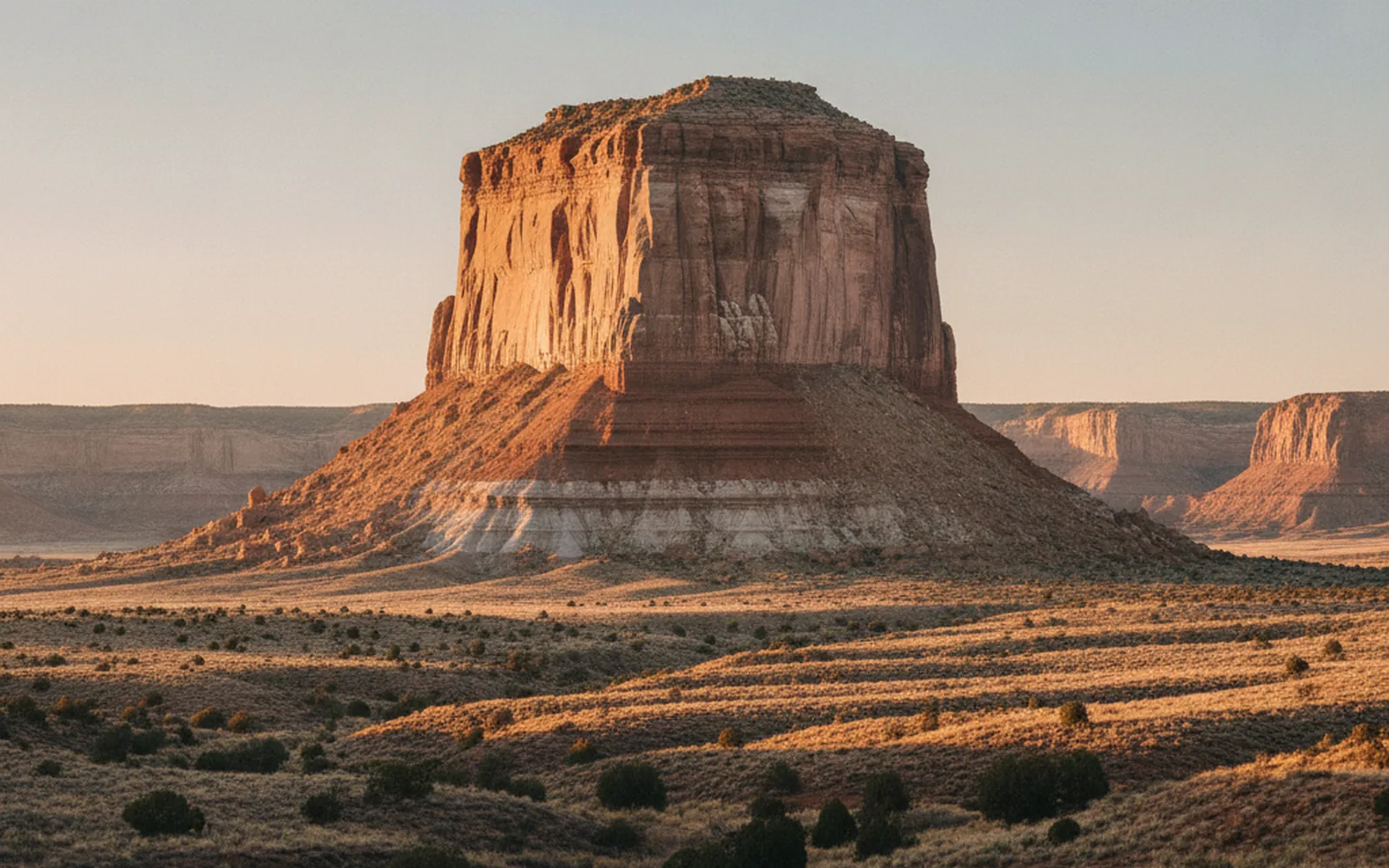
Astronomy isn’t just about stars. It’s about seasons.
The builders of Chaco and Chichén Itzá turned the Sun into a calendar of stone, light and shadow, with no telescopes and no written equations.
It was patient. It was precise. It was beautiful. And it still works today.
Because a sunrise is more than a view. It’s a date.
The Traditions of the Sun editorsIt starts with a shadow
Walk Chaco’s great houses and kivas stop by stop: photos, the real sun path for any date, and what each wall or spiral is aligned to.
 Pueblo BonitoSouth wall → equinox line90.0°ConfirmedFajada ButteSpiral → solstice daggers1977Confirmed
 Casa RinconadaNE window → solstice sunrise60.5°Debated
| Event | Date | Azimuth |
|---|---|---|
| June solstice | Jun 21 | 60.5° |
| Equinox | Mar 20 · Sep 22 | 90.0° |
| December solstice | Dec 21 | 119.5° |
The Sun Dagger
Three slabs, one spiral and two solstices: how a pattern of light was found in 1977.
Learn more“It is difficult to understate the importance of the Sun. Its light and warmth make life itself possible.”
Measure what the Maya measured
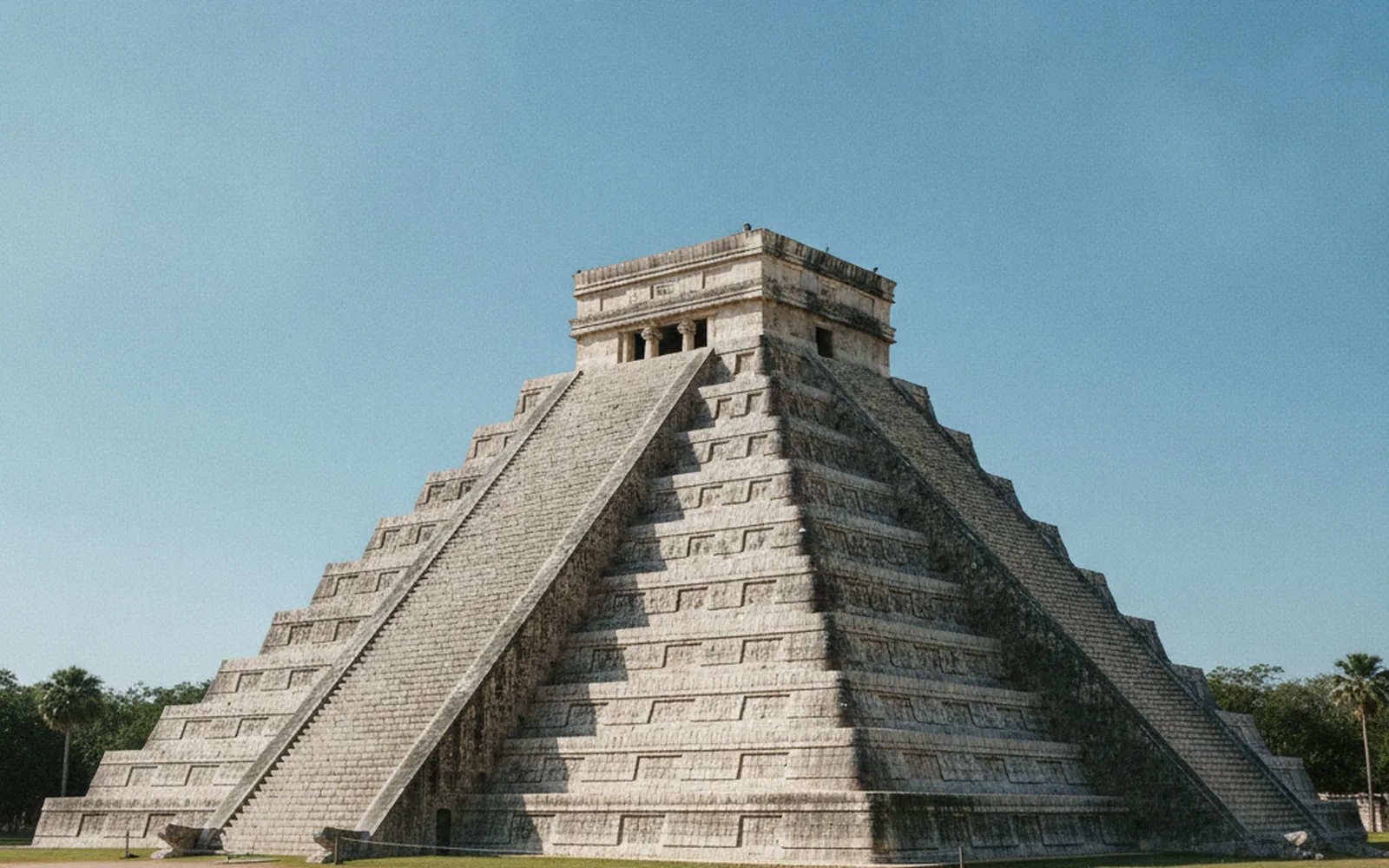
From equinox to zenith passage to Venus, follow the events Maya cities were built to catch, and see when each one happens.
Connected across the sky
The same Sun that marked planting days drives the solar wind, the aurora and space weather. Ancient and modern observers share one habit: they look up every day.
Take the sky with you
Two illustrated guides, written for curious readers and classrooms. Read the Chaco guide online or download either one as a PDF.
The Sun–Earth connection at Chaco
Great houses, the Sun Dagger, the Moon’s long cycle and the active Sun, in plain language.
A photographic journey to the Yucatán
Calendars, El Castillo, Venus, zenith passage and the Maya today, stop by stop.
Built on a thousand years of watching
The numbers behind the stones, the calendars and this guide.
The geometry behind every alignment
Every sunrise in our viewers is computed, not drawn by hand. Three lines of trigonometry tell you where the Sun rises on any date at any latitude. The same math can drive a museum kiosk or a classroom app: teams such as YuSMP Group turn it into a cross-platform Flutter app that runs on phones and tablets.
// Where does the Sun rise? Azimuth from true north.
function sunriseAzimuth(lat, dayOfYear) {
  const rad = Math.PI / 180;
  const decl = 23.44 * Math.sin(2 * Math.PI * (284 + dayOfYear) / 365);
  return Math.acos(Math.sin(decl * rad) / Math.cos(lat * rad)) / rad;
}

sunriseAzimuth(36.06, 172); // Chaco, June solstice
sunriseAzimuth(20.68, 79);  // Chichén Itzá, March equinox
# Zenith passage: the Sun stands overhead when declination = latitude
import math

def zenith_days(lat):
    days = []
    for n in range(1, 366):
        decl = 23.44 * math.sin(2 * math.pi * (284 + n) / 365)
        if abs(decl - lat) < 0.2: days.append(n)
    return days

zenith_days(20.68)  # Chichén Itzá → late May, mid-July
Sunrise azimuth
Where on the horizon the Sun rises, from the day’s declination and your latitude.
Learn moreTen places that watched the Sun
Open any site in a viewer, or read how it was built and what it was aligned to.
New in the field notes
Clear, sourced articles on archaeoastronomy, calendars and the Sun.
See the sky the way they did
Open a viewer, pick a date and watch the sunrise point move along a real horizon. Then download the guides and take them outside.